

Hidden Listening Device Found in OpenAI Meeting Room: Prosecutors Say AI Was Involved in Nearly Every Stage of the Plan
An OpenAI engineer is charged with hiding an audio recording device behind a TV in an executive meeting room. According to prosecutors, AI was used to plan, build and conceal the device, and those chats are now part of the evidence.

What happened?
The U.S. Department of Justice said a 35-year-old man who had reportedly worked as an engineer at OpenAI since July 2025 was charged with using, or attempting to use, a device to secretly intercept oral communications. The suspect was arrested on October 9 and made his first appearance in federal court on October 13. OpenAI said the employee had been terminated.
According to the complaint filed with the court, the events unfolded as follows:

- Around September 30, OpenAI employees found a hidden audio recording device plugged into a USB port behind a television in a meeting room used by executives at one of the company’s San Francisco buildings. The device had been concealed by wrapping it in toilet paper. According to the company’s findings, it had been placed there around September 28, and the recordings stored on it were encrypted.
- Security footage showed the suspect near the room several times in the days before the device was discovered, even though he was not authorized to attend meetings there or enter the room.
- On October 5, cameras captured the suspect entering the room and appearing to look behind the television. Later that same day, a second recording device resembling the first was found inside a bag he had left unattended in another room.
According to the complaint, the meeting room was frequently used for highly confidential discussions about the company’s research, product plans, business partnerships and strategic decisions that had not yet been made public.
If convicted, the suspect faces up to five years in prison and a $250,000 fine. It is worth emphasizing that these are allegations at this stage and still have to be proven in court.
Where did AI fit into the plan?
This is where the details that set the case apart from an ordinary espionage story begin.
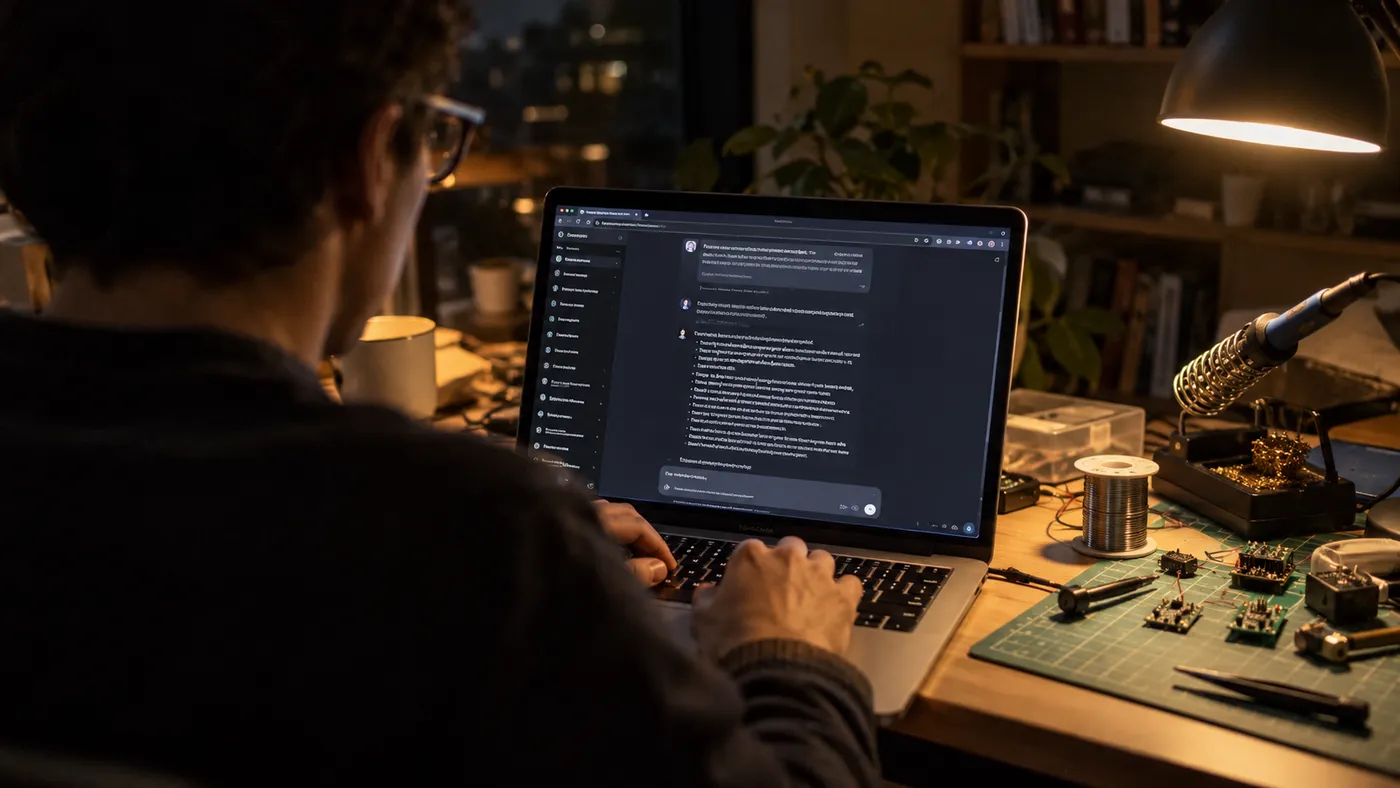
According to the complaint, before the device was planted, the suspect asked a workplace productivity tool numerous questions about OpenAI’s building addresses, meeting rooms, their capacities and calendars, the locations of executives and meetings with outside partners.
Even more striking are the questions about the device itself. The complaint says that, between September 24 and 30, an AI chatbot account associated with the suspect’s spouse — but sharing several identifiers and characteristics with the suspect’s own account — was used to ask questions about building, customizing, installing, recording with, testing, concealing and remotely accessing a device. Those questions reportedly included how to build an audio recorder capable of continuous recording, configure Wi-Fi connectivity, improve live-listening quality and encrypt a memory card. The same account is also alleged to have asked questions on September 27 and 28 — around the time the device was planted — about technical details directly related to the first device.
In other words, in the picture described by prosecutors, AI appears to have been used as an assistant during nearly every stage of the plan: finding the target, building the device and concealing it.
AI chats can also become digital evidence
That may be the most important lesson from the story. What you write to an AI chatbot may be retained in records depending on the service’s data-retention policies and your account settings; during an investigation, those records can become digital evidence much like search histories or emails.
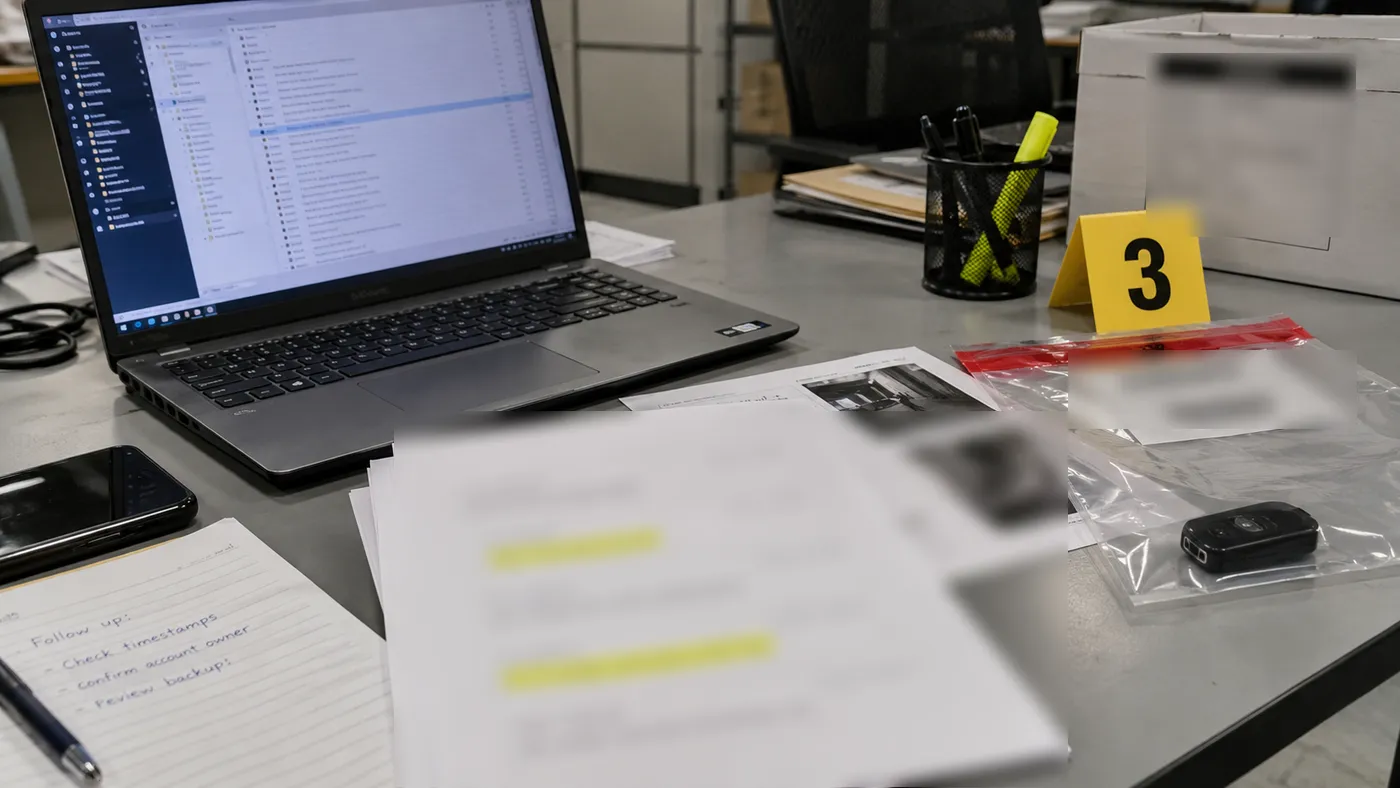
This is not unique to AI tools. Searches, messages and emails have been used as evidence for years. But AI conversations can go one step further: people often speak to these tools in far more detailed, step-by-step and personal ways than they ever would to a search engine. An entire plan can end up preserved chronologically as a sequence of questions and answers.
That appears to be the case here as well. A significant part of the timeline described in the complaint seems to have been reconstructed from these chat records.
Why are AI companies such valuable targets?
AI companies now possess some of the world’s most valuable information: unreleased models, research findings, business partnerships and strategic decisions. That information can be valuable not only to rival companies, but also to governments.
The way U.S. officials have framed the case reflects that concern. In the Justice Department’s statement, FBI and intelligence officials described the matter as a national security issue and stressed the need to protect American AI technology from foreign threats. However, the complaint does not allege that the suspect was acting on behalf of any foreign government or organization, and no motive has been disclosed.
OpenAI said it has found no indication so far that the suspect improperly accessed or exfiltrated model weights, source code or customer data. The company also says it has evidence that the suspect was planning to plant additional recording devices. It has not been disclosed whether the device successfully recorded any conversations.
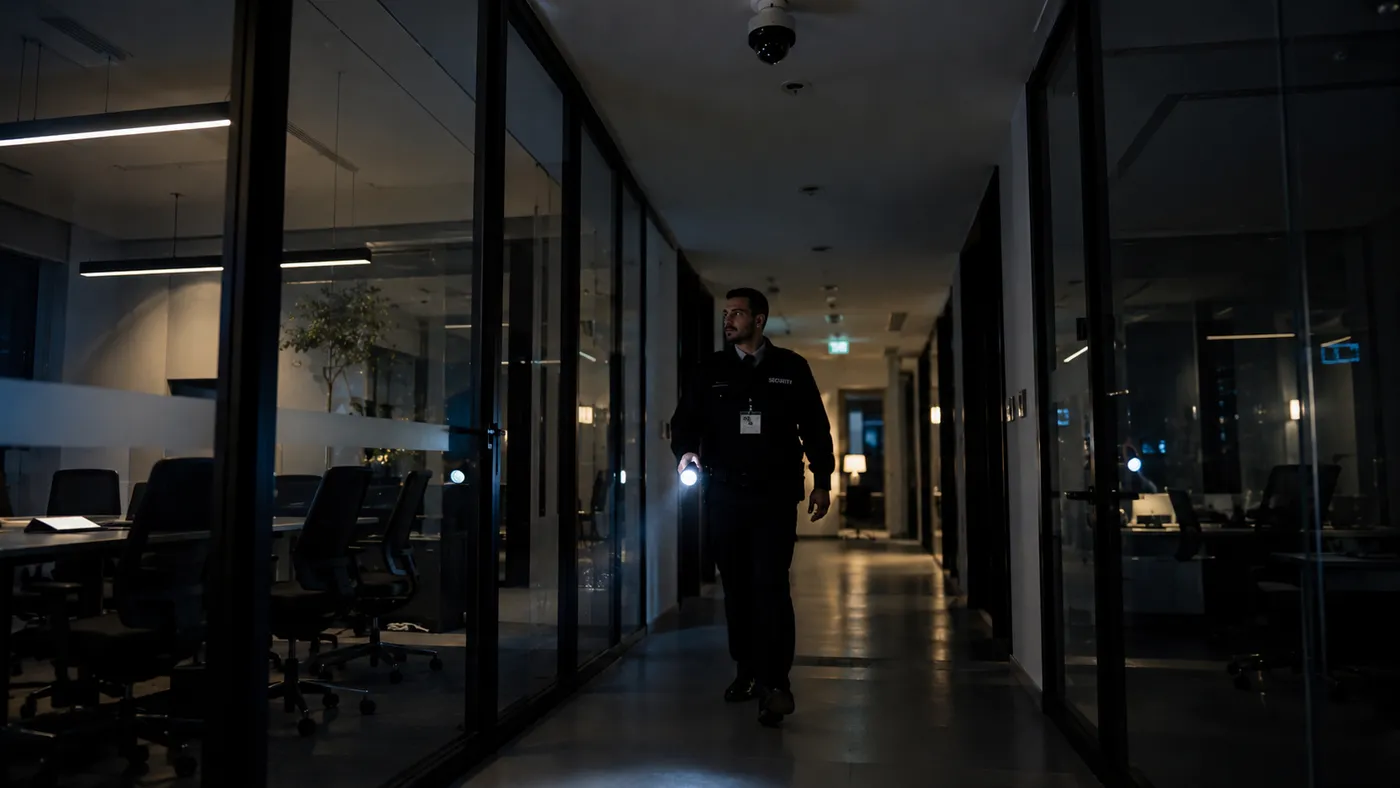
The case also serves as a reminder that security at AI companies is not limited to cybersecurity. A company can protect its servers with the most advanced defenses available, but protecting what is said inside a meeting room still requires much more traditional measures: monitoring who enters which rooms, using cameras and conducting regular inspections.
The device itself was first noticed by people. But the irony of the story does not end there: OpenAI says it later used its own AI models to understand the device and identify who had planted it. On one side is a physical eavesdropping attempt allegedly planned with the help of AI; on the other, another AI system reportedly helping to unravel it.