
The Winner of the Memory Crisis Is Clear: Samsung Expects $80 Billion in Operating Profit in Three Months. Its Mobile Division Is Losing Money
Samsung's preliminary third-quarter estimate is a historic record: about 107 trillion won in operating profit, almost all of it from chips. The same memory crisis has pushed its phone business into a loss and raised Galaxy S26 prices.
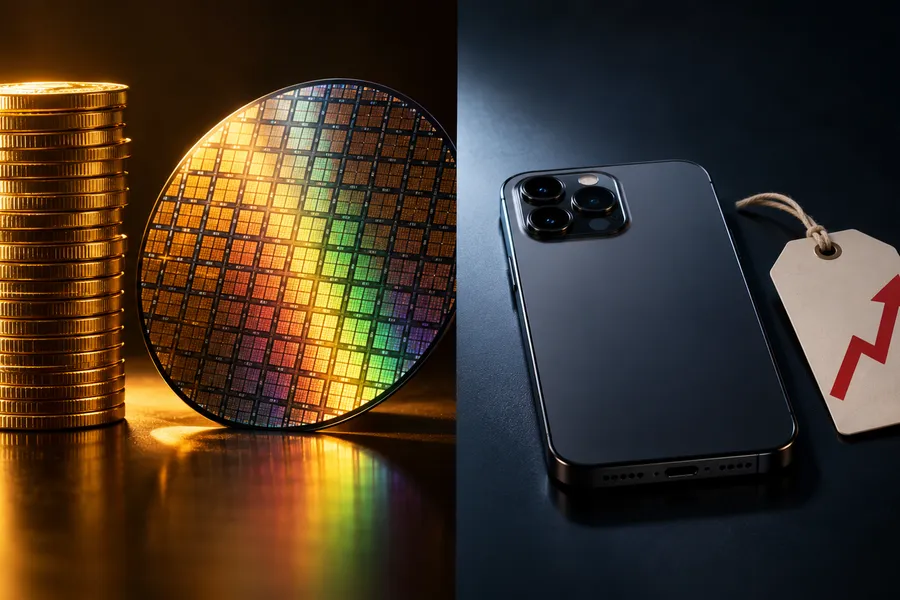
A few days ago, we looked at how AI data centers' appetite for memory is pushing up the prices of everyday consumer products. If there is a bill for this story, there is also someone collecting it. The figures Samsung announced today show where that money is going. But the same picture also reveals that some of Samsung's own businesses are being hurt by the crisis.
A historic quarter
Samsung Electronics announced its preliminary estimates for the July–September period on October 8. The company expects around 107.4 trillion won, or roughly $80 billion, in operating profit for the three months. In the same period last year, that figure was 12.17 trillion won, meaning profit has increased nearly ninefold in a year. Revenue is also expected to reach about 195 trillion won, up roughly 127% year over year.
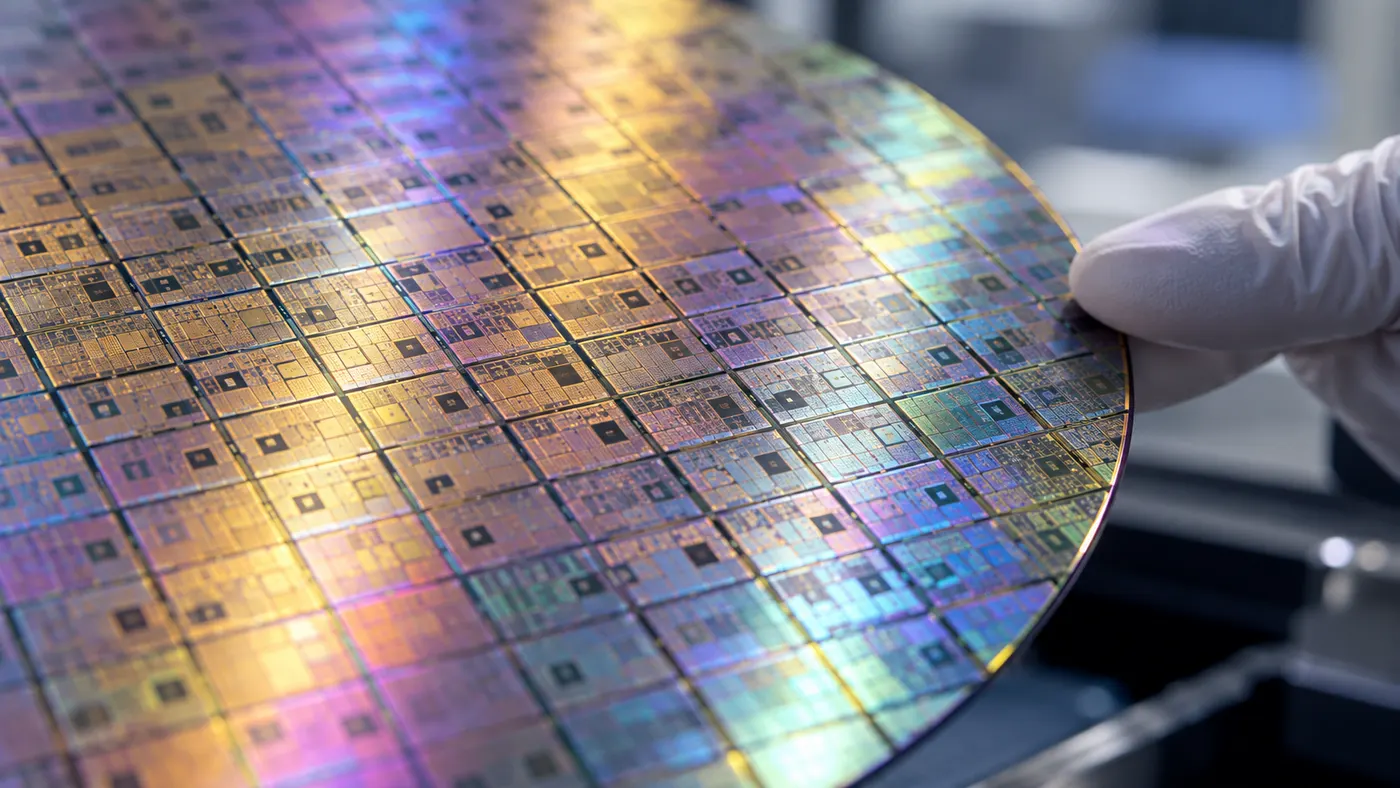
This would mark the first time in Samsung's history that quarterly operating profit has exceeded 100 trillion won. The previous record was set just three months earlier, when the company reported 89.5 trillion won in profit for the second quarter. It would be Samsung's fourth consecutive record quarter.
One important note: These are not finalized results, but preliminary estimates. Samsung will publish detailed results by business division at the end of the month.
Where the money is coming from: memory
Samsung does not break down profit by division in its preliminary estimates, but there is little doubt about where it is coming from. According to Citi Research, roughly 107 trillion won of the total 107.4 trillion won in profit — virtually all of it — is coming from the company's chip division. The story of this quarter is the insatiable memory demand from AI data centers and the rapidly rising memory prices that have followed.

Memory buyers are now signing multi-year supply agreements, giving Samsung clearer visibility into long-term demand. In short, as memory prices rise, the companies producing that memory are filling their coffers.
The other side: Samsung's phones
This is where the story gets interesting. Samsung is not only a memory manufacturer; it is also one of the world's largest smartphone makers, and every one of those phones contains memory.
According to an estimate from Meritz Securities, Samsung's mobile division, which includes smartphones and networking equipment, posted an operating loss of around 1.8 trillion won this quarter. That is more than double the 700 billion won loss recorded in the second quarter. The reason is the same: rising component costs, especially memory.
Samsung has also started passing those higher costs on to consumers. In early October, the company raised prices for the Galaxy S26 series in the US and South Korea. In the US, most models went up by $100, while the 1 TB Galaxy S26 Ultra increased by $200. The hikes have been linked to the global memory shortage and rising RAM costs.
It is worth pausing on that for a moment: The world's largest memory manufacturer's phones are getting more expensive because memory itself has become more expensive.
This is not as contradictory as it first appears. Samsung's chip and device divisions calculate profitability separately, while the company does not disclose in detail what prices memory is transferred at between divisions. The mobile business also buys some of its memory from outside suppliers. As a result, the same price increase can generate record profits for Samsung's chip business while simultaneously pushing up component costs on the phone side. At the company level, the chip division's gains far outweigh the losses on the device side. But for consumers, the picture is unchanged: Expensive memory is first paid for out of data center budgets, then out of the pockets of people buying smartphones.
What will happen to memory prices?
Prices are still rising, although the pace is slowing on the DRAM side. According to TrendForce, conventional DRAM contract prices are expected to rise by 10–15% quarter over quarter in the fourth quarter, a clear slowdown compared with the roughly 60% surge seen in the second quarter. NAND Flash, which is used in SSDs, is forecast to rise by 15–20% over the same period. A stronger Korean won and concerns about future pricing have even led analysts to slightly lower their profit forecasts for Samsung. Chinese memory makers expanding capacity could also shift the balance over the longer term.
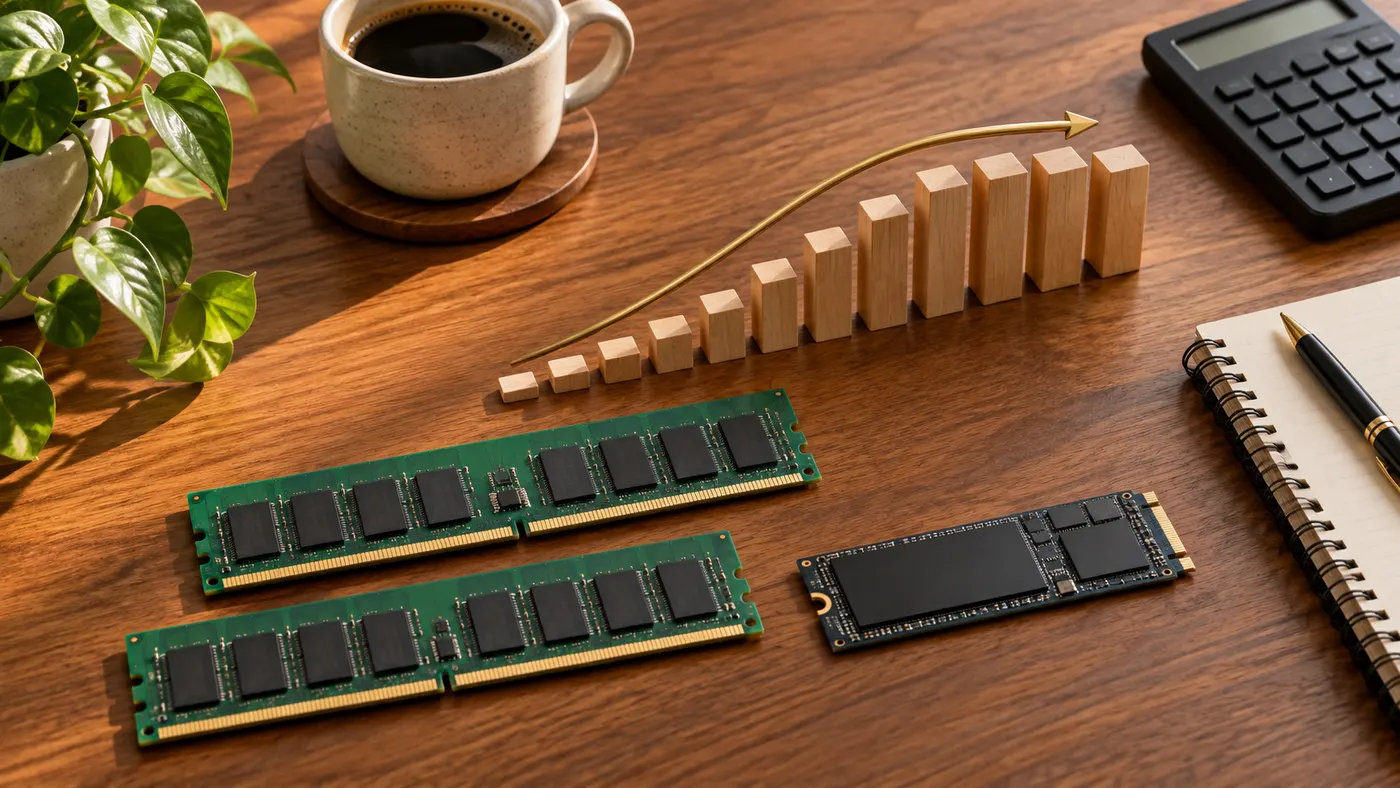
That is also why Samsung shares fell on the day of the announcement despite the record profit: The market is no longer pricing in the records themselves, but how long those records can last.
For anyone planning to buy a computer or phone
For the average buyer, the conclusion is simple: Pressure on memory prices is likely to continue for a while, even if the pace of increases is slowing. For anyone considering a memory-heavy product — a PC with a lot of RAM, a high-capacity SSD, or a phone with more storage — there is still little reason to expect prices to fall sharply in the short term.
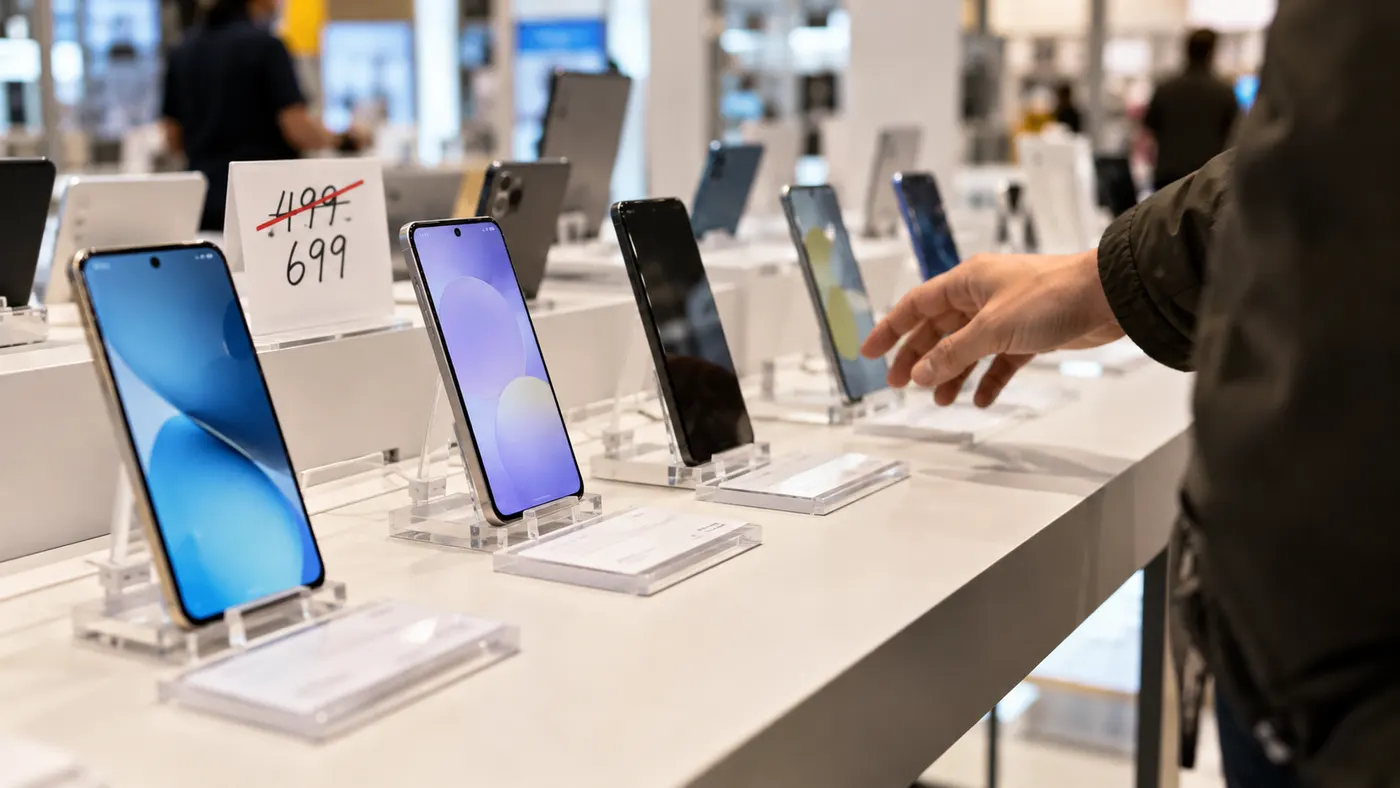
This is another side of the AI race: On one side is Samsung, expecting $80 billion in operating profit in just three months; on the other are customers paying $100 more for a new phone from the same company. And both are the result of the same memory crisis.