
Starlink Wants to Become a Mobile Carrier: What Does SpaceX's New Move Mean?
SpaceX buying 800 MHz spectrum licenses in the US wiped about $45 billion off the three largest carriers. The goal is no longer just satellite internet but becoming an everyday mobile carrier. For Turkey, nothing changes directly for now.

What happened?
On October 8, SpaceX announced that it had agreed to acquire the entire nationwide 800 MHz spectrum portfolio of digital infrastructure investment firm Grain Management. The deal covers up to 14 MHz of paired spectrum in the 800 MHz band and is subject to approval by the U.S. telecommunications regulator, the FCC.
The story of these frequencies goes all the way back to Sprint. T-Mobile retained the 800 MHz portfolio after its merger with Sprint. Under the terms of the merger, the spectrum was initially supposed to be transferred to another company, DISH, but after that transaction failed to materialize, it was sold to Grain Management. Grain completed the acquisition in August 2026. Now the spectrum is set to move to SpaceX.
There is an ironic twist: T-Mobile is also Starlink’s partner for satellite-to-phone service in the United States.
According to SpaceX, the spectrum fills “one of the remaining significant technical gaps” standing in the way of Starlink becoming a major mobile carrier. Elon Musk described the deal as the “final critical piece of the spectrum puzzle” needed to provide complete mobile coverage across the United States.
The market reacted sharply. According to the Financial Times, during trading on October 9, AT&T shares fell by around 8.4%, Verizon by 6.9%, and T-Mobile by 9.6%.
How does your phone connect?
To understand why this matters, it helps to first look at how mobile phones work today.

Your phone connects to nearby cell towers using radio waves. These signals operate across different frequencies, and each frequency range has its own characteristics:
- Low frequencies such as 800 MHz can travel farther and penetrate buildings better than higher frequencies. However, because the available channel bandwidth in these ranges is usually more limited, their overall data capacity tends to be lower than that of mid- and high-band spectrum. They are ideal for covering large areas and bringing signals indoors.
- Mid- and high-band frequencies can carry much more data, which means higher speeds, but they generally travel shorter distances and are more easily blocked by obstacles.
That is why mobile operators use a mix of different spectrum bands: low frequencies for coverage, and mid- and high-band frequencies for greater capacity and speed. A carrier’s value depends heavily on how well balanced its spectrum holdings are, which is why low-band spectrum has long been considered one of the industry’s most prized assets.
Starlink’s missing piece
Starlink’s current direct-to-phone service is primarily designed to fill coverage gaps in places where traditional cell towers are unavailable. The basic idea is that a satellite acts like a cell tower in space.
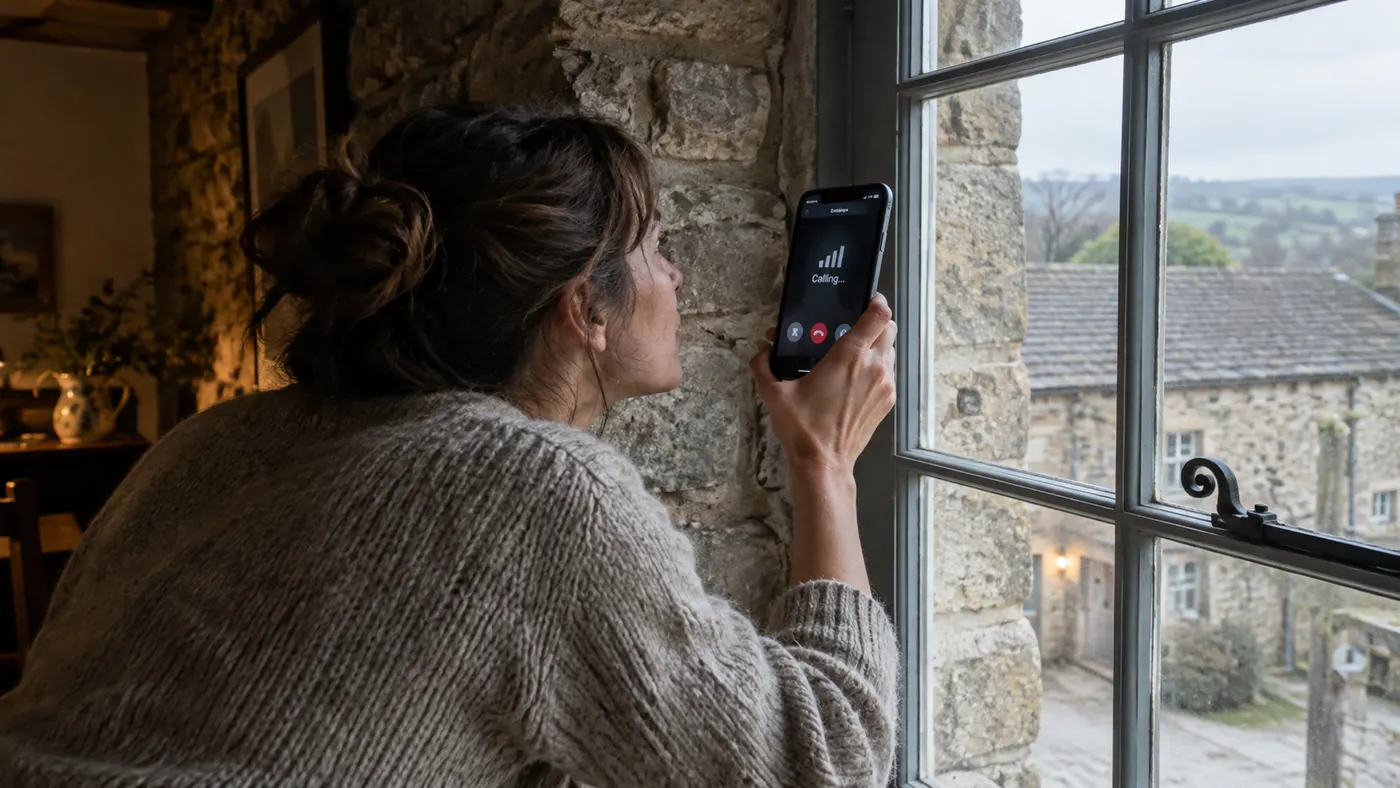
The service already supports more than just messaging, with limited data access and some compatible applications available as well. But the experience is still far from matching the capacity of a conventional 4G or 5G network.
One of the major challenges has been indoor coverage. Connecting to a phone with a clear view of the sky is one thing; reaching a phone inside a building is another.
SpaceX says its existing mid-band spectrum will provide high capacity, while the newly acquired low-band spectrum will help signals travel through obstacles such as walls and reach devices indoors.
The company also plans to use the spectrum through a terrestrial network on the ground. In SpaceX’s words, the goal is to become the first network operator to use both satellite and terrestrial spectrum within the same network.
SpaceX says most phones in use today already support the relevant frequency bands. That means if Starlink Mobile becomes a reality, many users may not need to buy a new phone.
Still, compatibility will depend on more than frequency support alone. A specific device may also need the right modem, software support, and carrier certification.
Is this the end of cell towers?
No — at least not anytime soon.
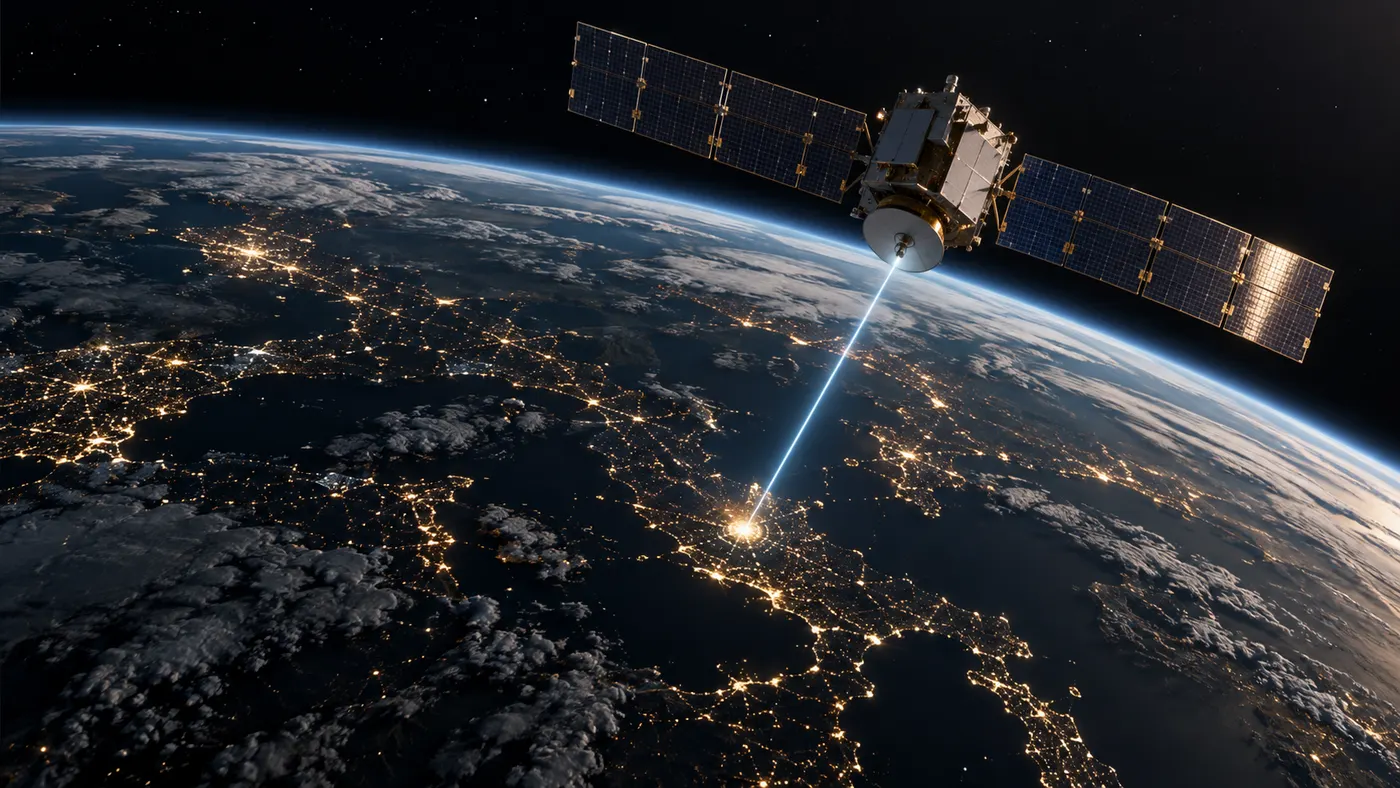
First, the transaction still requires FCC approval. Even if it is approved, Starlink will need terrestrial infrastructure in addition to its satellite network if it wants to operate like a full mobile carrier.
Satellites also cannot easily match the capacity of dense terrestrial networks serving thousands of users at the same time in major cities.
Interestingly, the market appeared to reach the same conclusion.
While shares of mobile operators fell, companies that own and operate cell towers — including American Tower, Crown Castle, and SBA Communications — saw their stocks rise.
The message from investors was clear: rather than making towers obsolete, Starlink could actually become a new customer for them as it builds out its own terrestrial network.
A more realistic scenario is that Starlink could emerge as a serious competitor to traditional U.S. carriers, particularly in rural areas and places where mobile coverage remains weak.
The sharp declines in carrier stocks largely reflect investors pricing in that possibility.
What does this mean for Turkey?
The short answer: for now, not much directly.

First, spectrum is licensed on a country-by-country basis. The 800 MHz licenses SpaceX is acquiring in the United States are valid only in the U.S.
In Turkey, the 800 MHz band is already part of the country’s 4.5G coverage layer. Spectrum in this band has been allocated to all three mobile operators, and its use is regulated by the Information and Communication Technologies Authority, or BTK.
Second, Starlink has not yet launched an official consumer service in Turkey.
In November 2025, ministry sources did not confirm claims that Starlink was preparing to launch in Turkey and said the issue was not on their agenda.
For such a service to begin operating in Turkey, the relevant authorization and spectrum procedures would need to be completed through BTK.
There are also online claims suggesting that Starlink is already officially available in Turkey, but these do not align with official statements.
Still, the move matters because it is part of a broader trend.
The idea of phones connecting directly to satellites is no longer just an emergency backup option. It is becoming a potential competitor capable of challenging the business model of traditional mobile operators.
How that competition plays out in the United States could influence how similar services are introduced in other countries in the future.
There was a time when a mobile network simply meant cell towers standing on hillsides. Starlink’s latest move suggests that part of that network could one day move into the sky.
But for Turkey, at least, that day is not yet on the horizon.