

RimWorld Ditches Unity: New Engine Runs 2–4× Faster in Ludeon's Tests
With RimWorld 1.7, Ludeon Studios has moved from Unity to its own Waylith engine. According to the studio's tests, the game runs 2 to 4 times faster, while saves and the vast majority of mods keep working. There is one warning for computers more than 10 years old.
What changed?
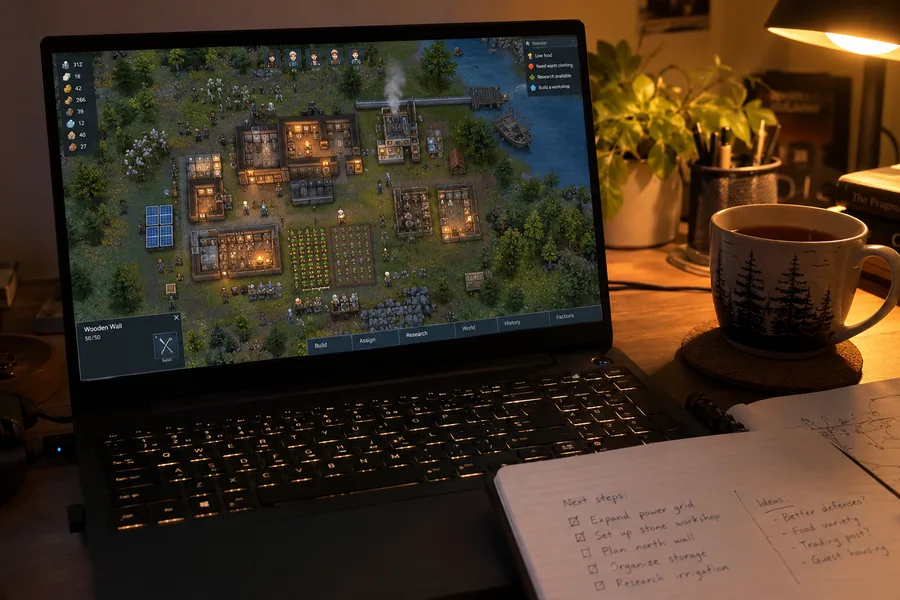
On October 12, Ludeon Studios announced RimWorld update 1.7. With this update, the game is moving away from Unity, which it had used for years, to Ludeon’s own Waylith engine.
According to the studio, the game looks and plays exactly the same. The difference is performance: in Ludeon’s own tests, performance improves by roughly 2 to 4 times. Startup, loading saves with large mod lists, map and world generation, simulation speed and almost everything else are faster.
The examples shared by the studio are particularly striking:
- In a demanding late-game colony, performance was 2.2 times better than in version 1.6.
- A 1,500-mod modpack saw its loading time fall from 14 minutes to 6 minutes.
Ludeon stresses that these figures come from its own tests and that the gains will vary depending on the computer and the mods being used. There are not yet any broad independent benchmarks. That said, some players testing the 1.7 build are also reporting noticeable improvements in performance and loading times, while others have mentioned early issues such as higher memory usage.
Why change a game engine?
A game engine is the underlying software a game runs on: it draws graphics to the screen, handles physics, plays audio and loads files. Instead of building all of this from scratch, most studios use general-purpose engines such as Unity or Unreal, which can dramatically speed up development.

But a general-purpose engine is not ideal for every game. These engines are designed to support thousands of different kinds of projects. RimWorld has much more specific needs: it can simulate hundreds of characters, animals and objects at once, while also supporting enormous mod lists. By building its own engine, a studio can focus only on what its game needs and gain full control over the technology underneath it.
Ludeon did not separately explain why it decided to leave Unity. Its announcement focuses instead on the results: better performance and new possibilities for modders.
The timing is still notable. In 2023, Unity announced a controversial usage-based pricing model that triggered a major backlash among developers. The company first significantly revised the plan and then canceled the system entirely in September 2024. Ludeon has not linked its move to Waylith with that controversy, however, so there is no basis for claiming a direct cause-and-effect relationship.
How did saves and mods survive the transition?
This may be the most interesting part of the story. Replacing a game engine is normally such a large undertaking that it can feel almost like building a new game. With RimWorld, the challenge is even greater because its modding community is a major part of the game’s longevity. Some players use hundreds or even thousands of mods.
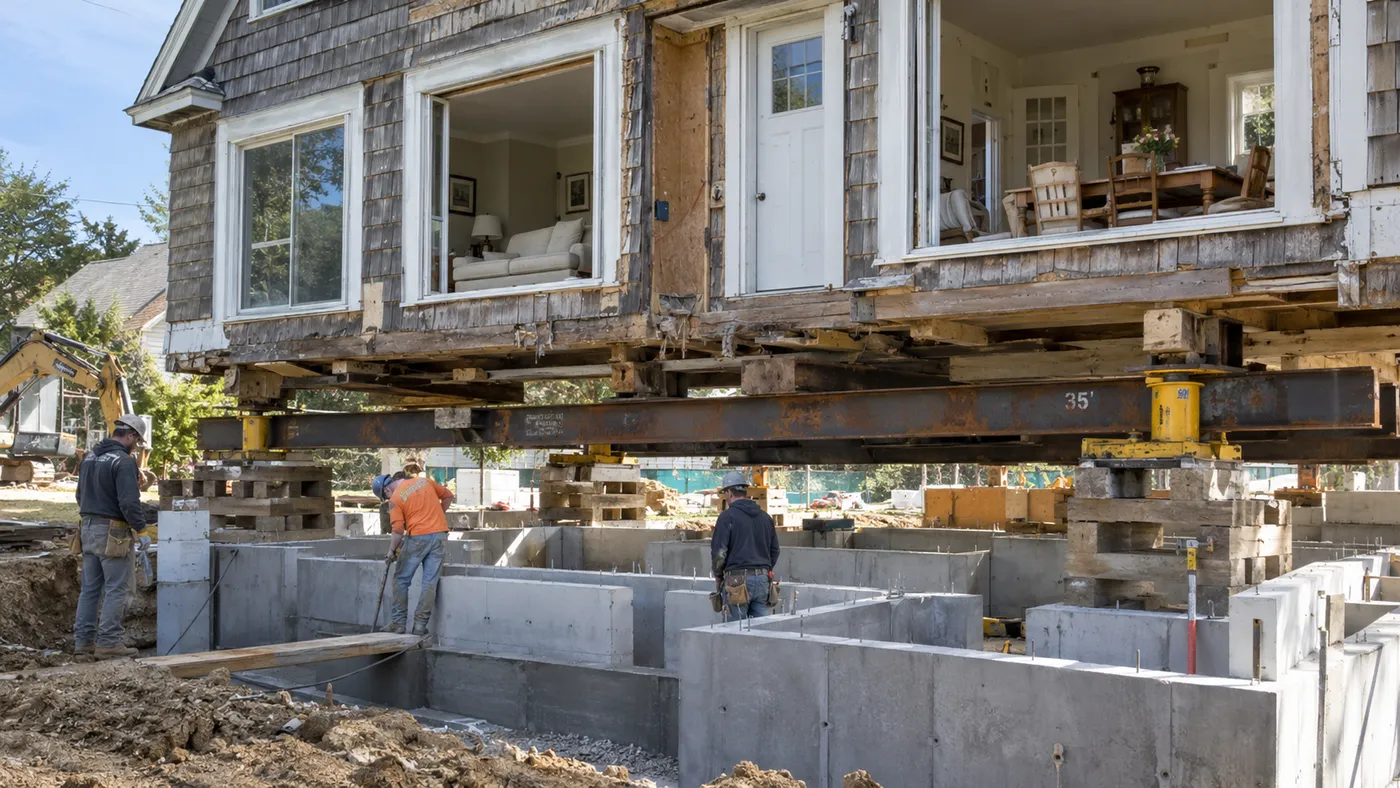
According to Ludeon, players do not need to do anything for the transition:
- Saves: Colonies started in version 1.6 can be opened in 1.7. A save created in 1.7 can even be opened again after rolling back to 1.6.
- Mods: The vast majority of mods work in 1.7 without their creators having to make any changes. Some may appear with a yellow “may not be supported” warning, but this can simply be because the version number has changed. Once the mod author marks the mod as compatible with 1.7, the warning disappears.
Ludeon does not explain the technical details of how it achieved this. But the outcome suggests that the engine migration was designed to leave the game’s “content” layer as intact as possible: the game code and structures that mods depend on were preserved while the engine underneath them was replaced. Ludeon also thanked more than twenty modders who took part in testing and provided feedback before the transition.
Waylith also opens up new possibilities for modders. They can use the latest features of the C# programming language, build more complex mods without hurting performance as much, and create major visual changes and custom effects more easily.

One warning: older computers
There is a cost to the transition. Ludeon says RimWorld 1.7 may not run on computers more than 10 years old. Players who encounter this problem are being asked to report it through the official development Discord, and the studio says it may be able to make changes that help.
Given that RimWorld is known for relatively modest hardware requirements, this is something worth keeping in mind for anyone still playing on an older laptop or desktop.
How can you try 1.7?
For now, version 1.7 is only available through RimWorld’s Steam test branch; the main version used by most players is still 1.6. If you want to try it:
- Right-click RimWorld in your Steam library and select “Properties.”
- Open the “Betas” tab and select the “unstable” branch.
- If the game does not update automatically, restart Steam. If prompted, choose “Play 1.7 Unstable.”
Because this is a test build, there is a higher chance of encountering bugs. The ability to return saves to version 1.6 offers some reassurance, but backing up an important colony is still a good idea.
And one surprise
Ludeon left a small note at the end of its announcement: RimWorld is not the only game using Waylith. The studio says it is working on a new game, although it will be some time before it is ready to share details.

That suggests Waylith was not built merely as a tool to speed up an old game, but as a technological foundation for Ludeon’s future. RimWorld players can enjoy smoother colonies for now. But the bigger question is already taking shape: what will the next Ludeon game built on the same engine look like?