
Paradox Did Everything in the Atatürk Crisis Except Apologize
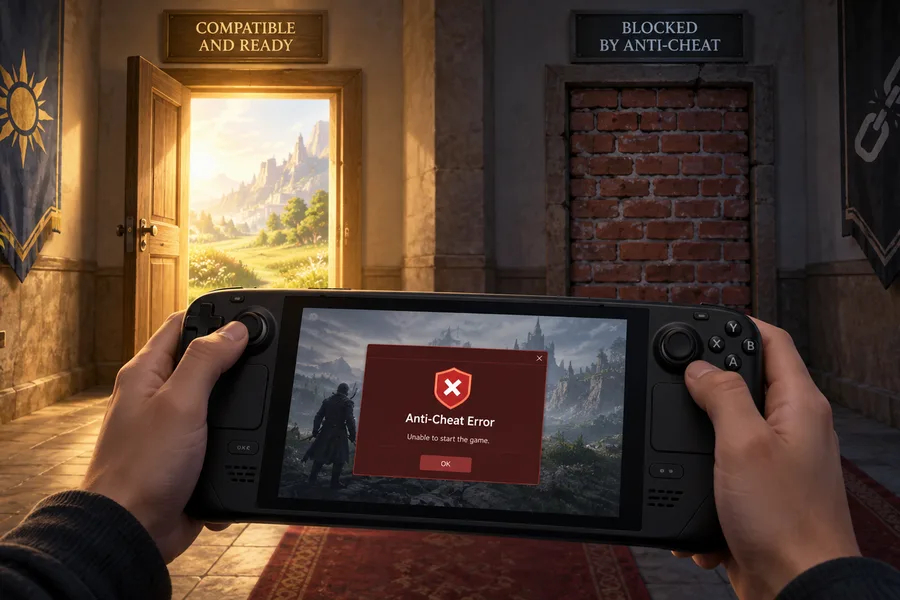
Paradox issued two statements, reviewed bans and introduced an 1800 cutoff rule after the Atatürk controversy on the Hearts of Iron IV Discord. The one thing missing was the two words players asked for first.

The shortest way for a company to acknowledge a mistake is two words: “We’re sorry.”
During the Atatürk controversy, Paradox Interactive released two statements within a week, announced that bans would be reviewed, rewrote its Discord rules, and eventually drew an entirely new historical line at January 1, 1800.
The effort put into avoiding those two words is almost impressive.
The Ban Was One Thing. The Condition Was Another.
The story has often been reduced to “a player was banned for using an Atatürk profile picture,” but what actually happened is more striking.
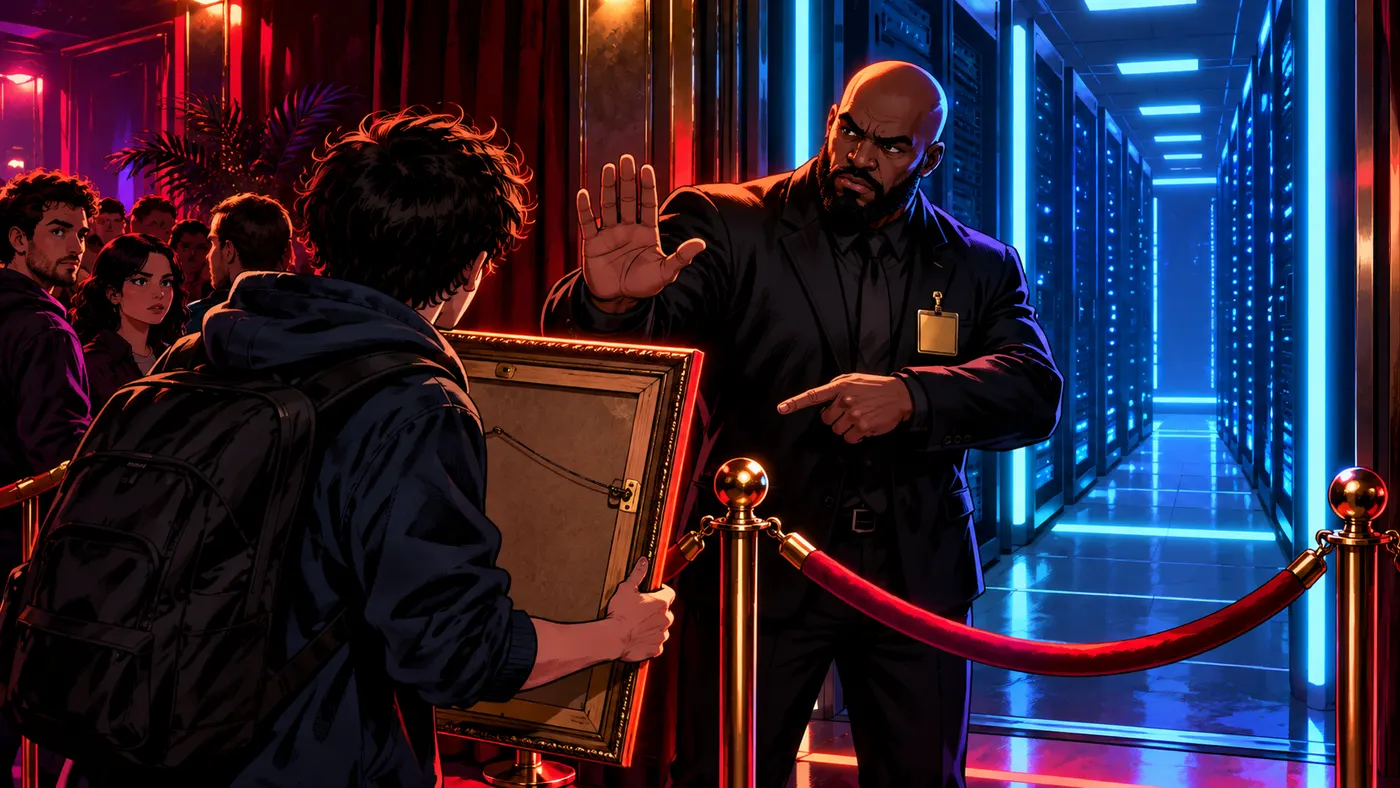
According to accounts of the incident, the Turkish player on the official Hearts of Iron IV Discord server was initially banned after his account was compromised and used for spam. After recovering the account and attempting to return to the server, however, he was presented with a new condition: he had to change the real photograph of Atatürk used as his profile picture.
The justification became the real spark behind the controversy.
In moderator messages shown in screenshots, Atatürk was described as having been a member of the Committee of Union and Progress, while his connection to the events of 1915 was characterized as “controversial.” On that basis, the moderator said real photographs of Atatürk were prohibited while his in-game portrait remained acceptable.
The moderation team later defended the decision by describing Atatürk as a polarizing figure still connected to modern politics, comparing him to Karl Marx.
So this was no longer simply a dispute over profile-picture rules. On the official community server of a company whose games simulate history for millions of players — and whose products depend heavily on presenting competing historical actors and ideologies — a moderator had effectively passed historical judgment on the founder of a nation.
As the controversy grew, the official Discord server was temporarily closed to new members. The first public statement did not arrive until the following day.
25,000 Voices on Steam — and an “Off-Topic” Label

The backlash soon moved from Discord to Steam.
At the peak of the controversy, around September 25, Hearts of Iron IV had received 25,034 reviews over the previous 30 days, with only 7 percent rated positive.
This was not noise from a handful of angry accounts. It was a mass reaction involving tens of thousands of players.
Then Valve stepped in.
Steam’s system automatically detects unusual review activity. A Valve team then evaluates whether that activity qualifies as an “off-topic review bomb.” In this case, the answer was yes.
The reviews were not deleted, but they were excluded from the game’s review score, allowing Hearts of Iron IV to return to a “Very Positive” rating.
What makes this particularly interesting is that Valve’s own Steamworks documentation does not limit valid reviews strictly to the game itself.
It explicitly recognizes feedback about a company’s business practices and a player’s experience of being part of that game’s community as legitimate subjects for user reviews. The same documentation gives an example of something genuinely unrelated: a review of a strategy game that talks about ice cream.
The players protesting a decision made by the official moderators of the game’s official community were not talking about ice cream.
By Valve’s own definition, the line between “relevant” and “off-topic” looks considerably blurrier than the label suggests.
Two Statements, Two Missing Words
On September 24, Hearts of Iron IV Game Director Laszlo “Batya” Pieper issued the first statement.
Paradox said it understood what Atatürk represents as the founder of the Republic of Turkey and emphasized that neither its games nor its moderation policies were intended to pass judgment on historical figures. The company also acknowledged that its profile-picture rule had been applied inconsistently and announced that the relevant bans would be reviewed.
Understanding is nice.
But Turkish players were not asking to be “understood.” They were asking for the statements themselves to be withdrawn.
The second statement arrived the following day. It was longer and appeared more direct.
Paradox acknowledged that the situation had created the impression that the company was taking a position on Atatürk and admitted that the incident had been handled poorly.
There is a term for this in crisis communication: a process apology.
Saying “we handled this badly” is considerably cheaper than saying “what was said was wrong.” The first condemns the procedure. The second condemns the judgment itself.
Paradox sacrificed the process and kept the sentence.
The 1800 Formula
The real masterstroke was the new rule.
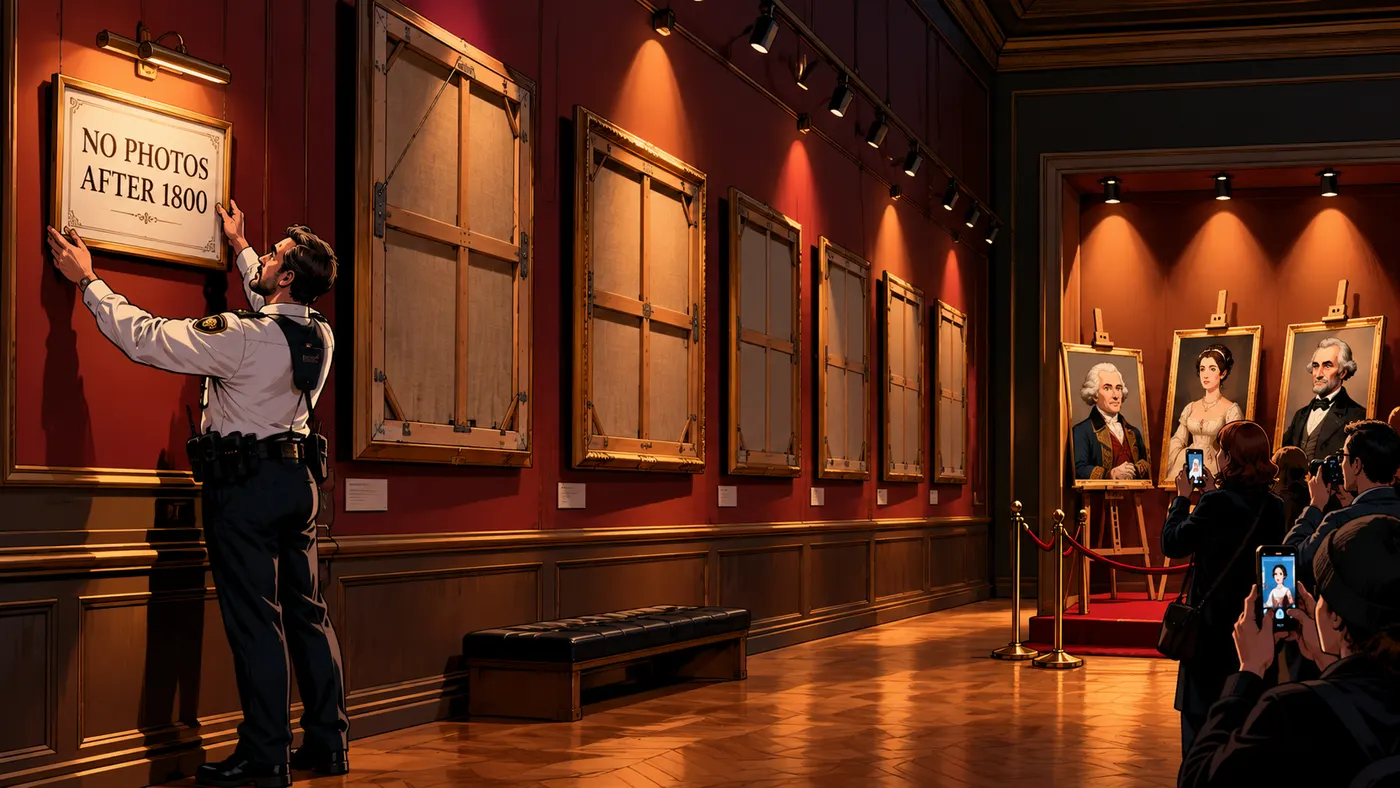
Under the revised policy, real photographs of political and military figures born after January 1, 1800 can no longer be used as profile pictures. Users were given seven days to replace them.
Official in-game portraits from Hearts of Iron IV, however, remain acceptable.
On paper, the rule is neutral. Moderators no longer have to decide, one historical figure at a time, who is sufficiently “controversial.”
But the original question remains unanswered:
Why was Atatürk characterized that way in the first place, and are those statements being withdrawn?
The new rule does not answer that question. It merely makes sure the same question never has to be asked again.
A window was broken, and the solution was to board up every window in the building.
The final result can be summarized in one sentence:
Paradox’s illustrated version of Atatürk is allowed. A real photograph of Atatürk is not.
The Boycott Continues
Neither the second statement nor the rule change ended the backlash.
On September 27, Turkish strategy-game content creators issued a joint statement announcing that they would boycott Paradox.
That may ultimately matter more than a Steam rating.
For a game with a steep learning curve like Hearts of Iron, content creators do far more than upload videos. They make guides, bring new players into the game, explain DLCs, and help sustain the community around it for years.
In practice, they are part of one of the most effective promotional networks Paradox has never had to pay for.
Part of that network is now shutting itself off from the company.
It would be unfair to say Paradox did nothing. The company acknowledged mistakes, reviewed bans, and introduced a rule designed to leave less room for arbitrary moderation.
But after two statements, a ban review, an entirely new Discord policy and a historical cutoff spanning more than two centuries, the one thing still missing was what players had asked for at the beginning:
We’re sorry.
There is a certain irony in a strategy-game company choosing a prolonged front-line war over a small diplomatic concession.
Anyone who plays Hearts of Iron probably knows how decisions like that tend to end.
TagsSteam