
Sega Pulled Its Revamped Classic After Just Two Days: Why Did Total War: Shogun 2 Complete Edition Fail?
Total War: Shogun 2 Complete Edition fell to "Overwhelmingly Negative" on Steam within two days and was pulled from sale. Sega also had to bring back the original game, which it had stopped selling separately.
What happened?
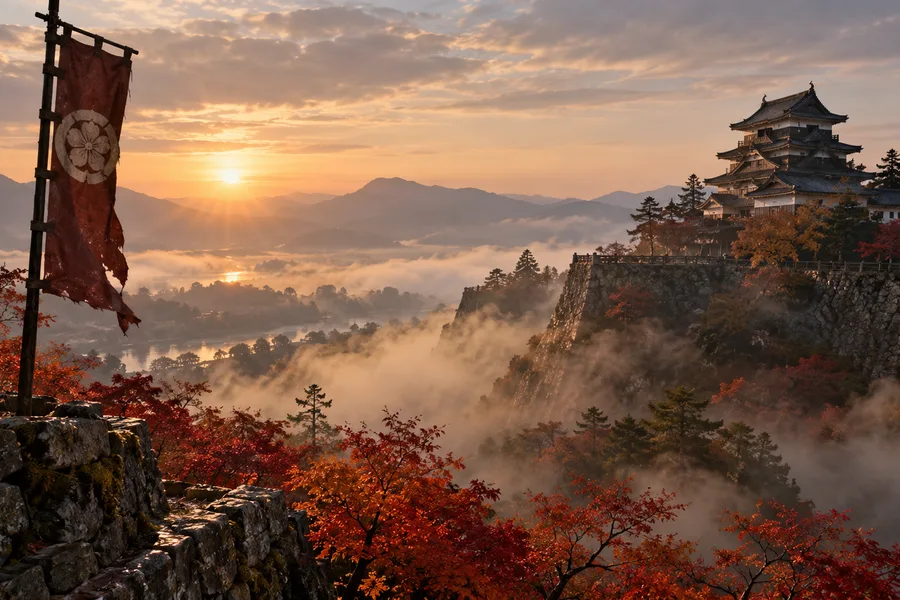
Total War: Shogun 2 first launched in 2011. Set in feudal Japan, it blends turn-based empire management with real-time battles and remains widely regarded as one of the strongest entries in the Total War series.
Sega and Creative Assembly announced Complete Edition, developed in collaboration with studio MATABOO, in September and released it for PC on October 13 through Steam, GOG, the Epic Games Store, and the Microsoft Store. The new version promised much more than a collection of the game's downloadable content: 64-bit support, an interface that scales properly at higher resolutions (1440p and 4K), updated lighting and textures, modernized controls, and more than 50 playable minor clans.
The backlash was immediate. The game quickly fell into Steam's "Overwhelmingly Negative" review category. According to SteamDB records from October 18, only around 19% of roughly 4,000 reviews were positive. Players' complaints centered on several issues:
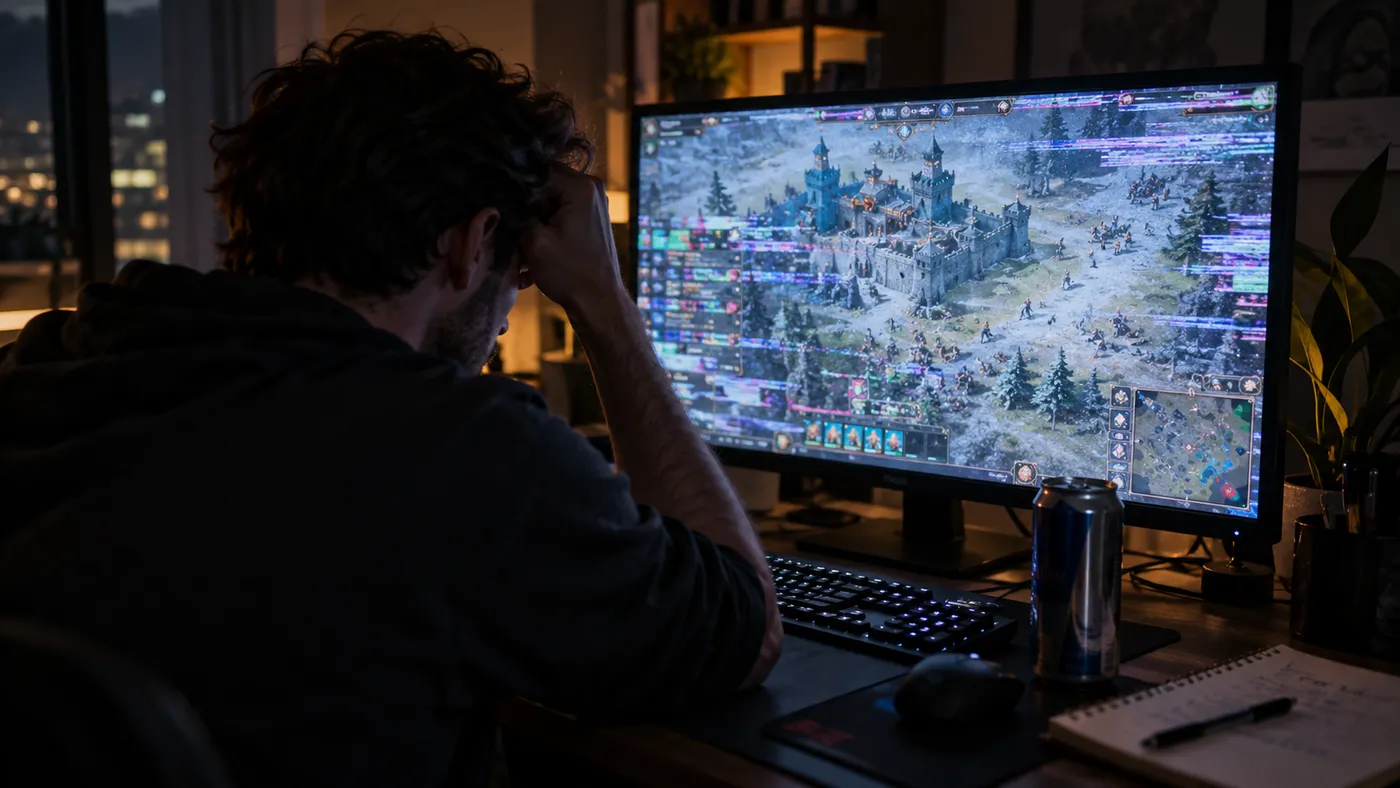
- Bugs: Players reported that longstanding bugs from the original remained unresolved, while new problems had been introduced.
- Performance: Players complained that the new release ran poorly, even compared with more recent entries in the series.
- Mod compatibility: The new version launched with mod.io support, but according to Sega's own FAQ, it is not compatible with mods made for the original Shogun 2. For a game with such an active modding community, that is no minor detail.
- Visuals: Some players alleged that artwork on unit cards had been upscaled using AI, pointing to oddities such as characters with an incorrect number of fingers.
Sega's statement did not directly address the AI allegations, so these remain player claims rather than confirmed findings.
Sega's response
On October 15, just two days after launch, Sega and Creative Assembly issued a joint statement acknowledging that Complete Edition had fallen short of both players' expectations and the companies' own standards.
They outlined the following steps:
- Complete Edition would be removed from sale in coordination with the storefronts.
- The original Shogun 2 would be made available for purchase again.
- Players who had already purchased the new version would retain access to it.
- Sega said it was working with its "development partner" to identify the causes of the problems, apparently referring to MATABOO, which worked on the new release.
According to SteamDB records, Complete Edition had been removed from the Steam store by October 18. No timetable has been given for its return. Reports also suggest that Creative Assembly is considering extending the refund window for buyers.
Removing the original: A familiar mistake
Perhaps the most controversial part of the story is Sega's decision to stop selling the original Shogun 2 separately on Steam on September 28, before the new version launched. Existing owners could still play it, and anyone who bought Complete Edition on Steam also received the original game. But new players who wanted the old version had no choice but to buy the new bundle, even if they did not want it.
The games industry has seen this approach before, and it has repeatedly drawn criticism. In 2021, Rockstar removed the original versions of its GTA trilogy from sale when the remastered editions launched with a host of issues. Rockstar later had to announce that the classics would return. Blizzard's Warcraft III: Reforged faced a similar backlash in 2020.
The underlying problem is the same: When a remaster forcibly replaces the original, players lose a choice. If the new version is good, few people notice. But if it is bad, players are left with a disappointing replacement and a beloved original they can no longer buy on its own.
How can a remaster make a game worse?
Re-releasing an old game sounds straightforward on paper: Improve the graphics, fix the bugs, and bundle the extra content. But remastering projects are often handled by a studio other than the original development team. In Shogun 2's case, MATABOO worked alongside Creative Assembly.
The exact causes of Complete Edition's problems have not yet been disclosed. In general, though, even a small change to a fifteen-year-old codebase can introduce unexpected bugs. And automated tools used to upscale artwork can, as players have alleged here, compromise the handcrafted character of the original visuals.
Sega and Creative Assembly have already had a turbulent relationship with their player base in recent years. In 2023, the pricing of Total War: Pharaoh and downloadable content for Total War: Warhammer III drew heavy criticism, prompting promises to do better. The Shogun 2 controversy puts those promises to the test once again.
What should players do now?
If you want to play Shogun 2, the safest option for now is the original version, which has been put back on sale. Check its current availability on your preferred storefront before buying, as access and purchasing options may vary between stores. If you already bought Complete Edition and are unhappy with it, keep an eye on Steam's standard refund policy and any updates from Creative Assembly about a possible extension to the refund period.
Curiously, this story is the reverse of the Dragon's Dogma 2 article we published last week. That game recovered from a troubled launch two and a half years later. Shogun 2, by contrast, won widespread acclaim when it first came out fifteen years ago, only for its new edition to tarnish that legacy in two days. Fixing a game after release is possible. Rebuilding players' trust once it has been broken often takes far longer than releasing a patch.