
Only One Person in the World Can Play This Game at a Time: You Get 60 Seconds in Jono
Anyone can join the free Steam game Jono, but only one person in the world plays at a time, for up to 60 seconds. The community is trying to clear one million levels together, and the first 100,000 are done.
How Does Jono Work?
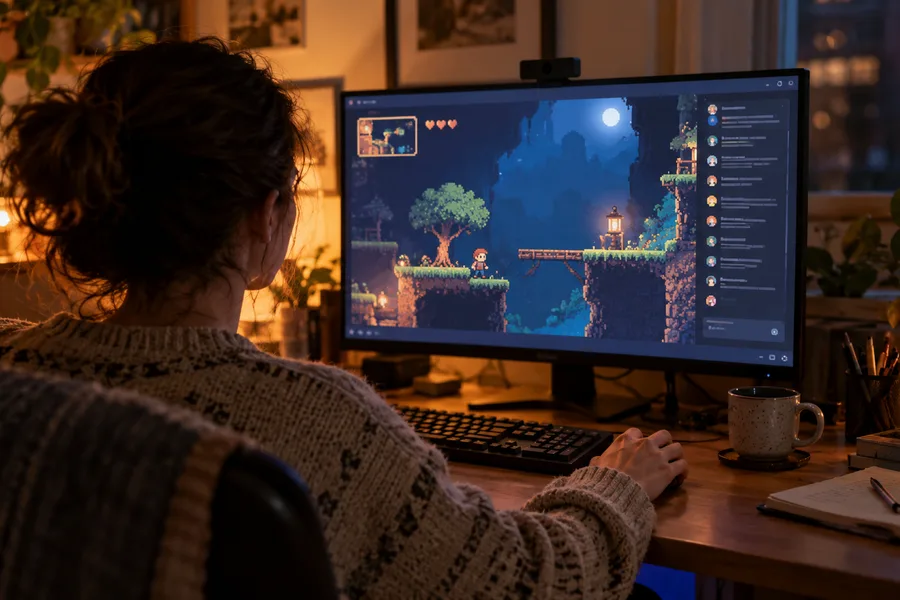
At first glance, Jono looks like an ordinary 2D platformer. A tiny pixel-art hero jumps through rooms filled with spikes, crushing traps, icy floors, and darkness. The difference is that there is only one copy of this hero in the entire world.
When you launch the game, you join a queue. Once it's your turn, you can control Jono for up to 60 seconds. When your time runs out, the next player picks up exactly where you left off. If at least five people are in the queue, there's also a five-life limit: Clearing a room replenishes your lives, but dying five times sends you to the back of the line even if your minute isn't over. To borrow a Reddit user's description quoted on the Steam page, Jono isn't massively multiplayer. It's "massively singleplayer."
Waiting doesn't mean doing nothing. You can watch the current player live, chat with others, send emotes, offer advice, or complain. In other words, much of the game is really about watching together.

Nothing Is Lost
What makes Jono interesting is that everyone's progress is permanent:
- Dying resets only the current room. Jono never moves backward.
- Once someone clears a room, it stays cleared for everyone forever.
- Every death leaves a gravestone behind. The next player can see where not to jump.
That small detail captures the game's spirit: One player's mistake becomes a lesson for the next. Nobody advances alone; everyone benefits from the traces left by those who fell before them.

But where do a million levels come from? According to the developer, most rooms are procedurally generated using predefined rules. Players can also design their own levels in an editor, although they must first complete a level themselves before submitting it. The developer reviews submissions and adds approved creations further along the shared journey, where at least one player will need to beat them. There's also a separate Meat Grinder mode for especially punishing levels. Playing earns you chests containing cosmetic items such as hats and trails, and the game features daily and weekly leaderboards.
How Long Will One Million Levels Take?
The Steam page leaves that question open: How long will it take? But the community has already reached its first major milestone. On October 25, at 17:35 UTC (8:35 p.m. in Türkiye), players cleared room 100,000. According to the developer's announcement, 5,553 players had contributed to the journey by then, and Jono had died a total of 136,499 times. At the moment of the milestone, 185 people were waiting in line while 232 were watching.
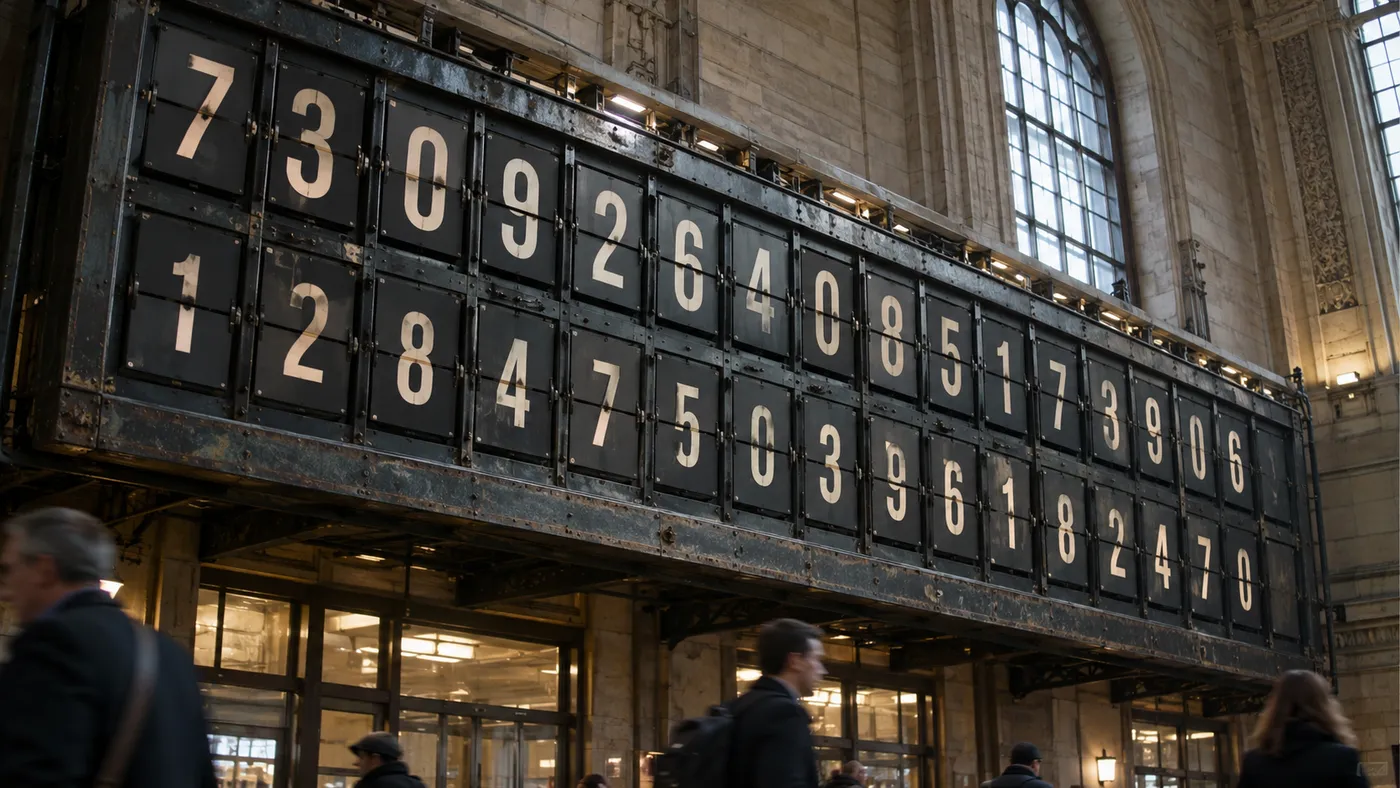
The moment came with a surprise worthy of the game's communal spirit: After room 100,000 was cleared, the screen went black. People in the chat thought the game had crashed. It hadn't—this was part of a special event the developer had prepared for the occasion.
The developer estimates that if the community maintains its pace of roughly 5,000 rooms per day, it could reach the one-million-room goal around April 2027.
The game's audience is growing, too. In early October, only about a dozen people had Jono running at once. According to SteamDB, it reached a new peak of 217 concurrent users on October 25. Of its 102 Steam reviews at the time, 93% were positive.
What awaits players in the millionth room remains a mystery. The Steam description ends with a single question: "What happens at the end..?"
The Idea Behind the Game
Behind Jono is Part Time Monkey, a small studio run by Finnish developer Tuomas Erikoinen. Erikoinen was one of the lead artists on the original Angry Birds and has previously spoken about creating the game's artwork. He reportedly built Jono's initial version in roughly a month.

The most interesting part of the story is how Erikoinen arrived at the idea. According to German technology site Techgarden, he wanted to create something original that couldn't easily be copied using AI tools. In an interview with GamesRadar, Erikoinen expressed concern about how quickly small games can be imitated today. Jono's basic concept might be copied, but building a working queue system, maintaining permanent shared progress, and attracting an active community are not equally easy tasks. That is his central point: At a time when small games can be cloned rapidly, unusual technical designs and shared social experiences can set a game apart.
Ideas like this are sometimes said to work best the first time around. One famous example from the early internet is The Million Dollar Homepage: A student sold one million pixels on a website for one dollar each, attracting a level of attention that countless imitators failed to match. In 2014, the Twitch Plays Pokémon experiment also showed the fascination of thousands of people controlling a single Pokémon game through chat commands. Jono brings elements of both ideas into a platformer: Instead of a chaotic crowd issuing commands at once, a community takes turns and watches one another advance.
Want to Try It?
- Free to play: Jono is available for free on Steam.
- Windows only: The game is currently available only on Windows. Its system requirements are extremely modest; the developer lists "Almost any" processor and graphics card.
- English only: There are no other language options at present. The game itself uses very little text, however, so most of the English you'll encounter is in its menus and chat.
- Be ready to queue: The more people join, the longer the wait for your turn. Watching others play is part of the experience.
- You can just watch: If you want to see what's happening without installing the game, follow Jono's ongoing journey on the developer's official live viewing page. It's the quickest way to understand how the queue works.
At a time when big-budget games and AI-generated content dominate so much of the conversation, Jono is a reminder of how powerful a good idea can still be. Every room you clear during your minute becomes the starting point for a stranger's next turn. And perhaps even the person who eventually opens the door to room one million won't know what's waiting on the other side.
TagsSteam