
Are Humanoid Robots Really Working in Warehouses? What Digit's 100,000 Totes Tell Us
GXO is bringing Agility Robotics' humanoid robot Digit to two more warehouses. Digit has moved more than 100,000 totes; what that number shows, what it doesn't, and where humanoid robots really stand in warehouses.
What happened?
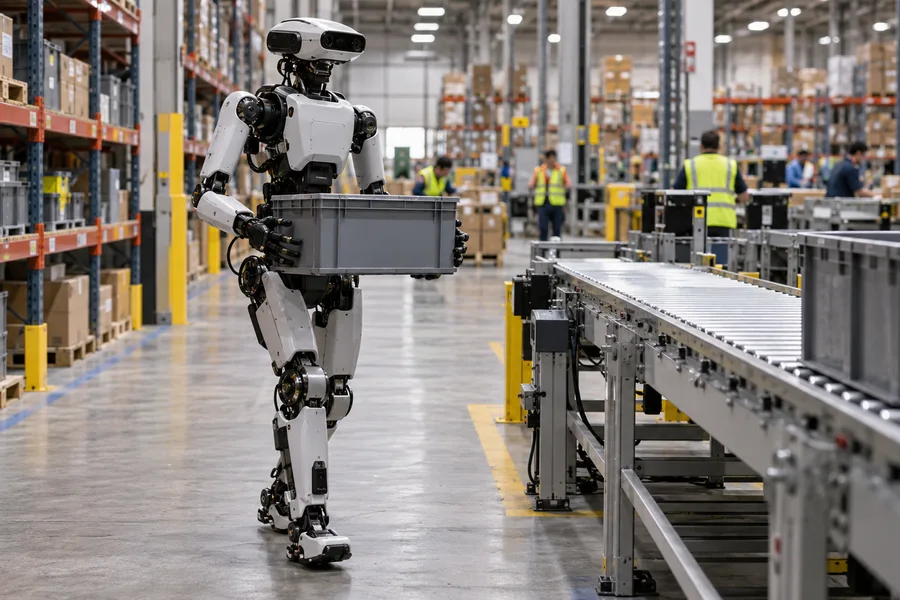
GXO, one of the world's largest contract logistics providers, and Agility Robotics announced an expansion of their partnership on October 26. Digit robots will be deployed at GXO's facilities in Statesville, North Carolina, and Lebanon, Tennessee, to support e-commerce order fulfillment. The companies say the robots will handle "highly repetitive material-handling tasks."
Deployment at the two sites is expected to begin in early 2027. GXO will initially use the current-generation Digit 4, with plans to transition to Digit 5 when the newer model becomes commercially available.
What does Digit actually do?
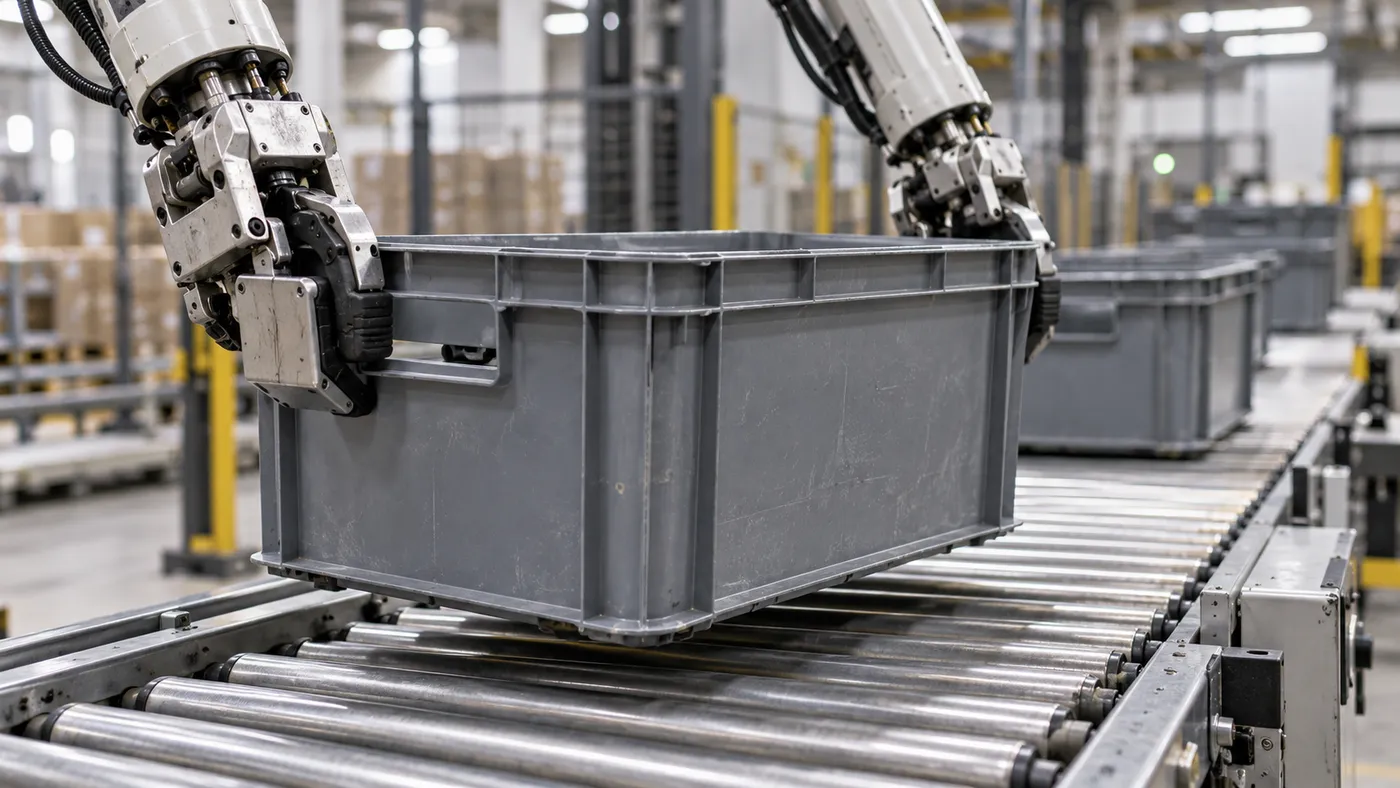
Digit is a human-sized robot that walks on two legs. For now, its main job is fairly straightforward: picking up plastic storage totes, moving them from one location to another, and often placing them on a conveyor belt. It is the kind of tiring, monotonous task repeated thousands of times a day in a warehouse.
GXO and Agility began working together with a pilot at the Flowery Branch warehouse in Georgia in late 2023. The companies then signed a multiyear commercial agreement in June 2024. They describe it as the first formal commercial deployment of a humanoid robot in a live workplace. One interesting detail: GXO does not buy the robots outright. Instead, it uses them under a service agreement. Under this Robots-as-a-Service (RaaS) model, Agility manages the robot fleet through its cloud platform, Agility Arc.
Agility has other customers, too, including automotive supplier Schaeffler, Toyota's Canadian manufacturing operation, and agricultural equipment maker AGCO, which plans to launch a pilot in 2027. The company also says it has started paid evaluation programs with three additional manufacturing customers and is in discussions with more than 30 prospective customers.
Is 100,000 totes a lot—or a little?
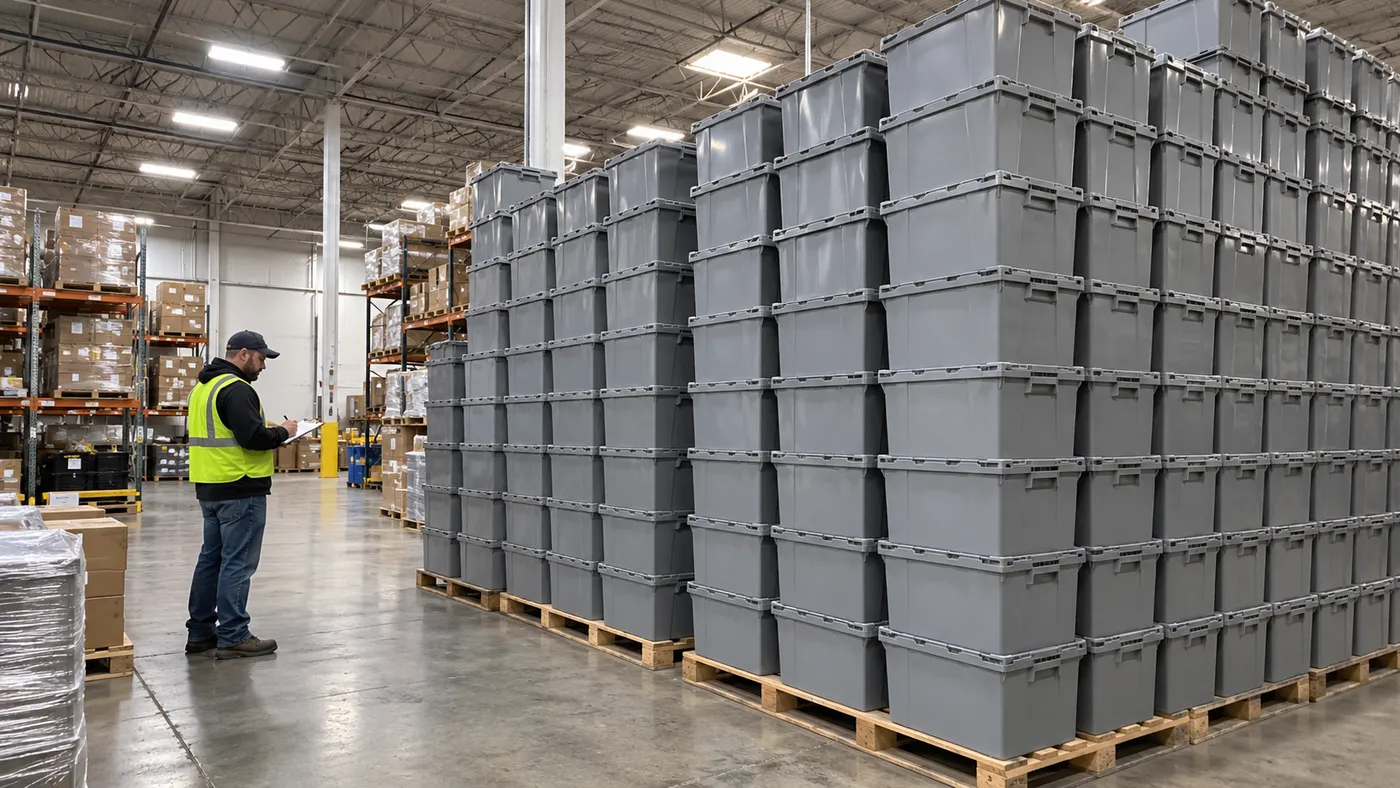
The headline figure is that Digit has moved more than 100,000 totes at GXO's Flowery Branch warehouse. But this is not a new milestone: Agility first announced that it had passed the 100,000-tote mark in November 2025, and its October 2026 announcement did not provide an updated total. According to documents submitted to the U.S. Securities and Exchange Commission (SEC) as part of Agility's plans to go public, Digit performs this task with approximately 98% accuracy. Across the company's commercial deployments and customer programs, Digit robots have accumulated more than 65,000 hours of operation.
These figures show that humanoid robots have moved beyond the demonstration stage. Still, they deserve a closer look:
- The scale remains limited. An Agility investor presentation shows three robots deployed in the GXO application. However, the company has not disclosed how the 100,000 totes were distributed among those robots, how many hours each robot worked, or how many totes they moved per hour. Nor do we know how often human intervention was required. Moving 100,000 totes shows that Digit can repeatedly perform a useful task in a real warehouse, but the available figures do not establish that it matches the productivity of human workers or conventional automation systems.
- What exactly does "98% accuracy" mean? Company documents specify that the figure applies while the robot is "on-task." It does not mean Digit operates without interruption 98% of the time. The documents also do not clearly explain whether the metric counts failed attempts, situations requiring intervention, or something else.
- The real costs are unknown. Neither GXO nor Agility has disclosed the cost of the two new deployments or when the robots are expected to pay for themselves. For a technology to truly work commercially, performing the task is not enough—it also needs to make economic sense.
Agility's investor materials offer one clue about costs. In the company's illustrative model, the next-generation Digit 5 could be offered as a service for approximately $8,500 per month, or about $102,000 a year. Agility also claims that, under favorable conditions, a purchased robot could pay for itself in roughly 1.1 years. But these are not results from GXO's actual operations. They are projections based on Agility's own assumptions, including high utilization and specific labor costs. We still do not know how much money Digit has actually saved at the existing warehouse.
None of this diminishes Digit's achievement. But it is far too early to say humanoid robots have taken over warehouses. A more accurate description would be that they are taking their first meaningful steps in real warehouse operations.
Why make it humanoid?
An obvious question comes to mind: warehouses already use wheeled robots, robotic arms, and automated conveyors. Why use a two-legged, human-shaped machine?
Supporters of humanoid robotics argue that existing workplaces were designed for people. Stairs, shelves, conveyor belts, and work areas are built around human dimensions and movement. A humanoid robot can potentially work in those environments without requiring a complete redesign. Agility aims to expand that flexibility with Digit 5. According to the company, the new model could go beyond carrying totes to unloading incoming goods from pallets, tending machines, sorting and sequencing items, inspecting quality, and palletizing goods for shipment.
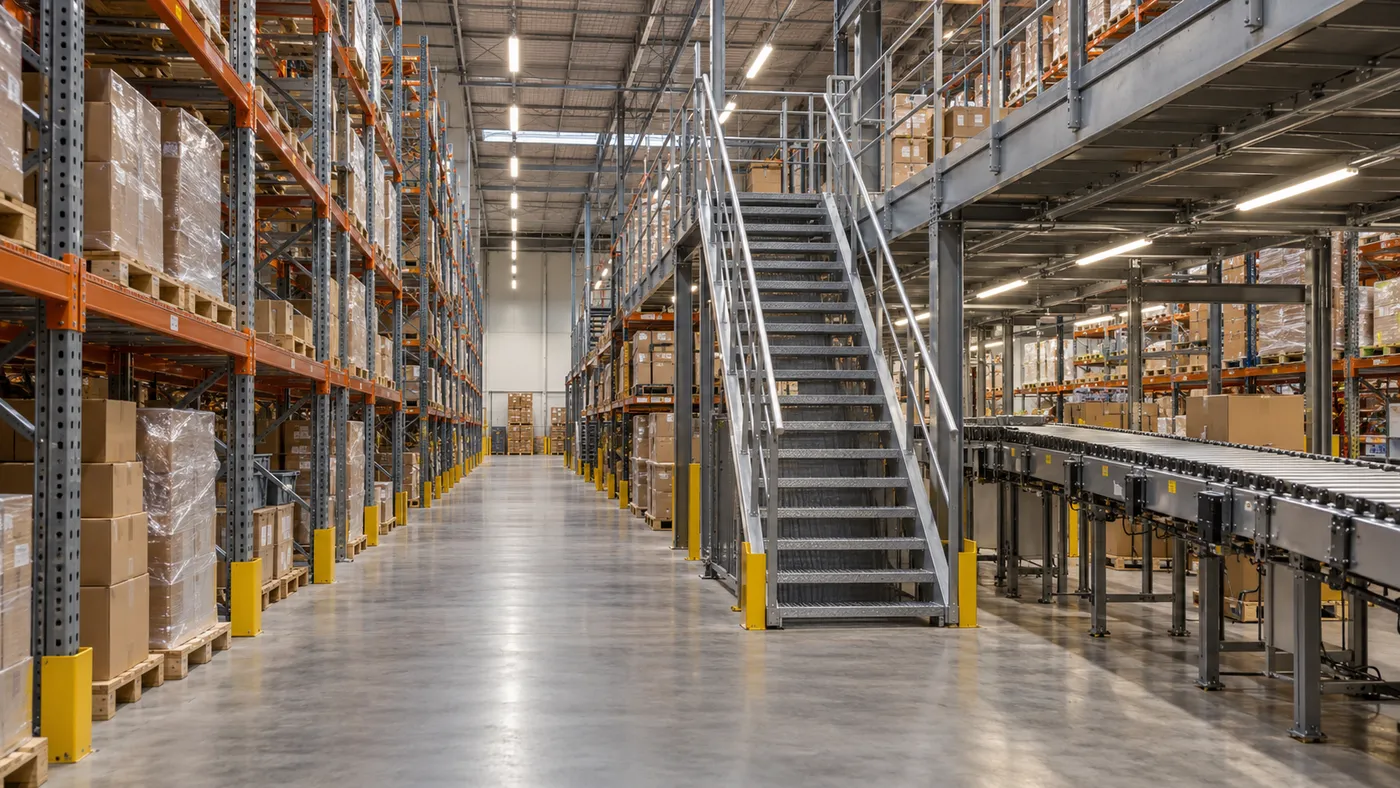
Critics, however, raise a simple question: if the job is merely to move a tote from point A to point B, is a two-legged robot really the most efficient solution? Answering that question will be one of the humanoid robotics industry's most important tests in the years ahead.
The bigger picture
The timing of the announcement is also noteworthy. Agility Robotics is in the process of going public through a merger with Churchill Capital Corp XI. Its management estimates that the near-term addressable market for humanoid robots in U.S. manufacturing, distribution, and logistics is approximately $1 trillion. That is the company's own estimate, not an independent market study.
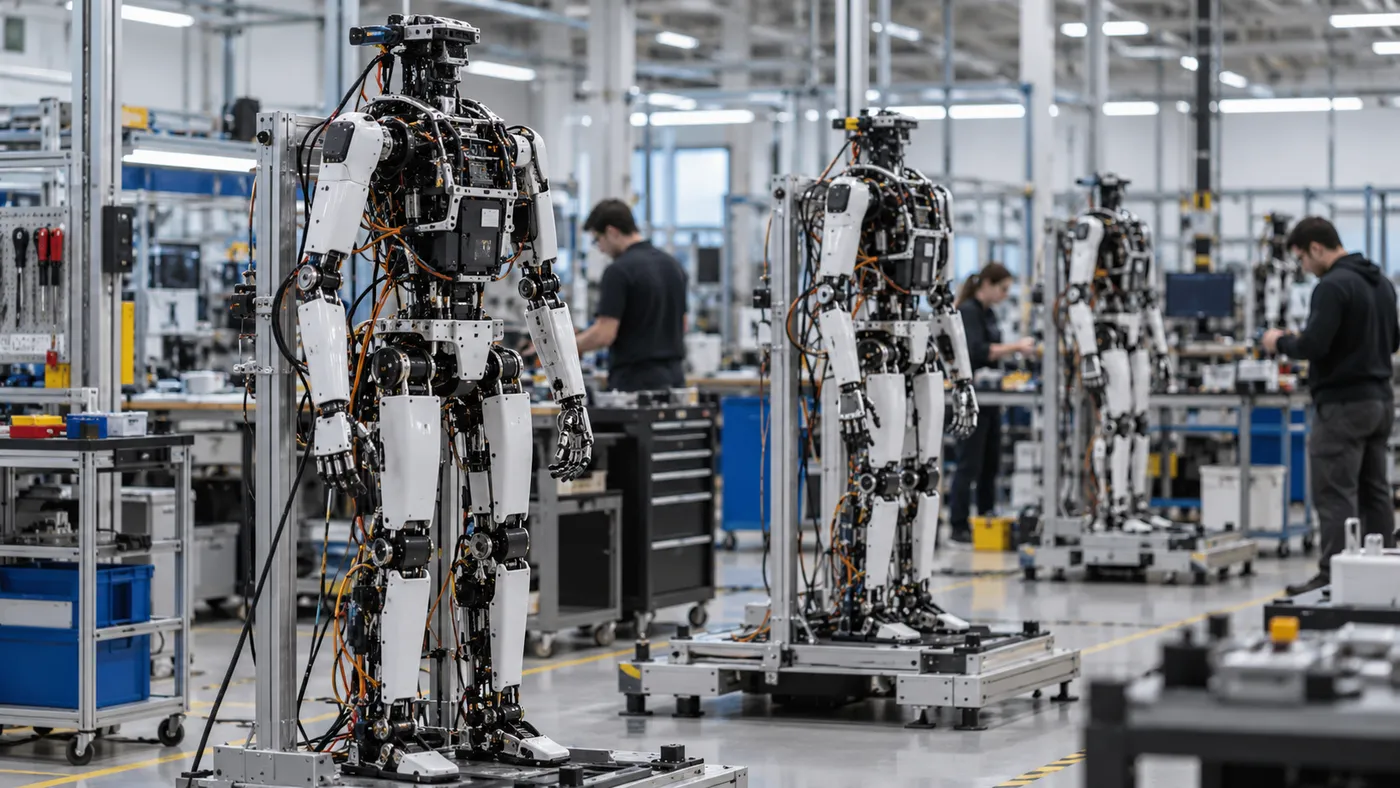
Agility has also built a factory called RoboFab in Salem, Oregon, to manufacture robots at scale. According to the company, the facility is designed to produce up to 10,000 Digit robots per year at full capacity.
It is natural for a company preparing to go public to emphasize its "commercial momentum," which makes it all the more important to scrutinize its numbers. Even so, GXO's decision to expand the deployment to additional warehouses after more than two years of commercial experience is a stronger signal than Agility's promotional claims alone. As Agility CEO Peggy Johnson has put it, customers are moving beyond asking whether humanoid robots can work and are beginning to ask where they can scale them.
Humanoid robots have not transformed warehouses yet. But the transition from robots dancing in promotional videos to robots carrying ordinary plastic totes in an everyday workplace may be one of the technology's most important advances so far. The question is no longer simply whether robots can do the work. It is whether they can do it more cheaply and reliably than people or other automation systems.
TagsRobots