
Life's "Universal" Language Isn't as Universal as We Thought: An Organism Found in a Pond Broke the Rule
We learn that all life uses the same genetic language. But a single-celled organism from a pond in an Oxford university park turned two stop codons, long thought to change together, into two different amino acids, and nobody was even looking for it.
The alphabet of the genetic code
First, let’s look at the rule itself.
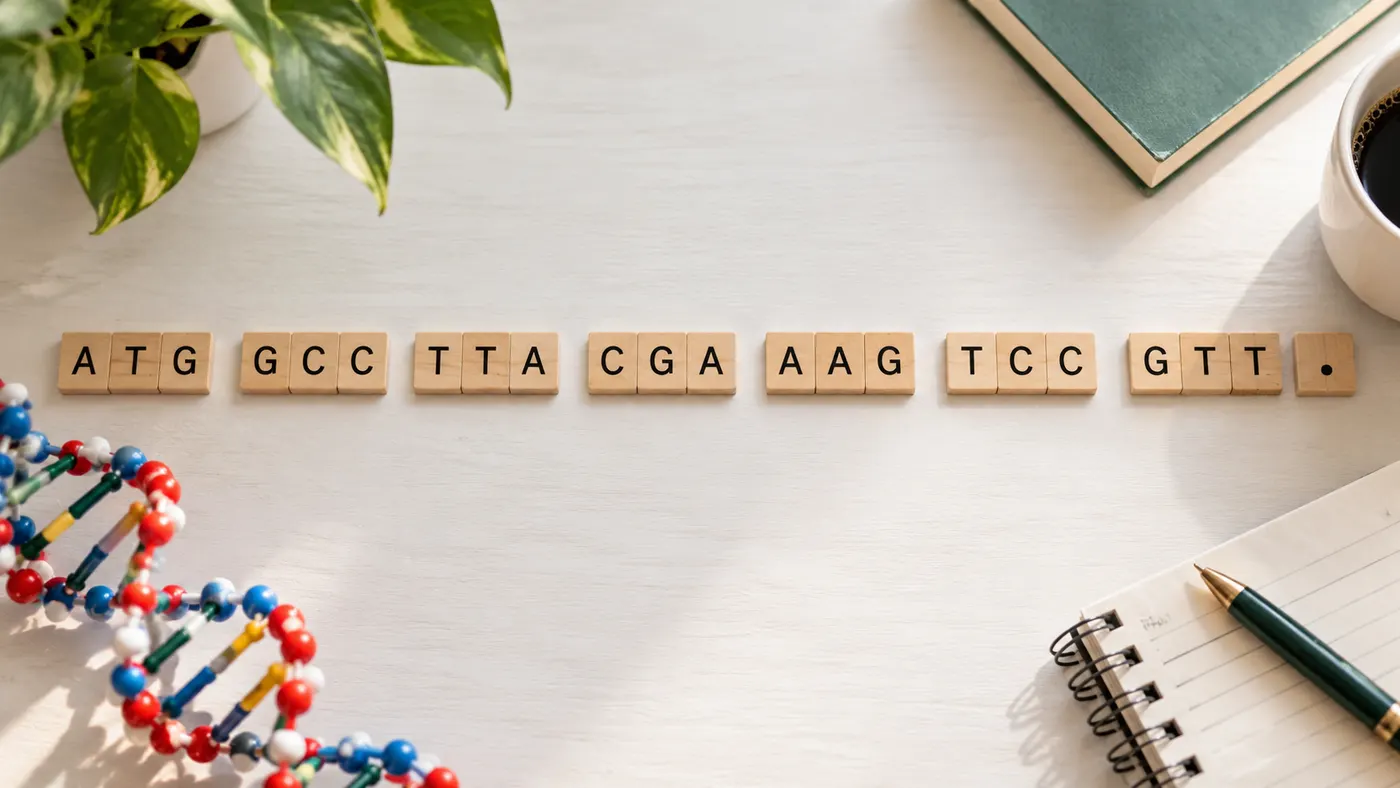
DNA is a bit like an instruction manual describing how an organism is built. But the cell does not use that book directly. Instead, it first makes a copy of the relevant section in the form of messenger RNA. Cellular machines called ribosomes then read this copy three letters at a time. Each three-letter group is called a "codon," and most codons represent an amino acid, the building blocks of proteins. As the ribosome reads each codon in sequence and links the corresponding amino acids together, a protein chain is formed.
This language also has punctuation marks. Three codons — UAA, UAG and UGA in RNA, corresponding to TAA, TAG and TGA in DNA — normally do not represent an amino acid at all. They mean "stop." When the ribosome reaches one of them, it understands that the protein is complete and releases the chain. They are like the full stop at the end of a sentence.
This basic structure of the genetic code has been extraordinarily well conserved across most of life for billions of years. That is why it is often described as "universal."
There have always been exceptions
Scientists have known for decades that the genetic code has changed in some organisms. One of the most familiar examples is inside our own bodies: mitochondria, the energy-producing structures in our cells, carry their own small genomes. In human mitochondria, UGA — normally a stop codon — instead represents the amino acid tryptophan.
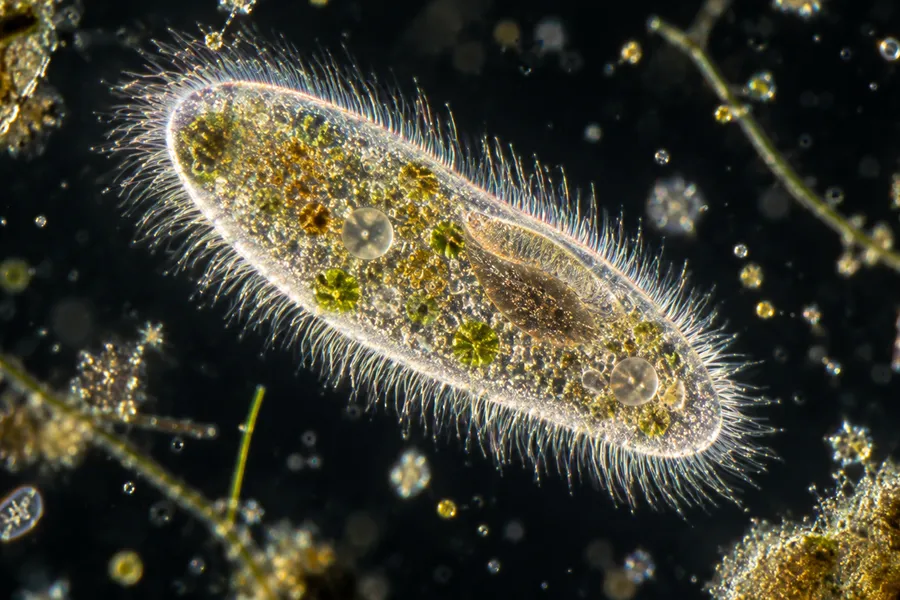
Some of the richest examples of these changes are found among single-celled organisms known as ciliates. Ciliates are microscopic organisms that swim through lakes and oceans using tiny hair-like structures called cilia covering their surfaces. In some ciliates, stop codons have changed meaning and begun to represent amino acids instead.
Even these changes, however, seemed to follow a pattern. UAA and UAG almost always moved together: if one changed meaning, the other changed too, and both came to represent the same amino acid. Scientists therefore thought the evolutionary fates of these two codons were linked.
When nobody was looking
In 2023, a team led by Dr Jamie McGowan of the Earlham Institute and Prof Thomas Richards of the University of Oxford was not studying the genetic code at all. Their goal was purely technical: they wanted to test a new sequencing method capable of reading DNA from even a single cell. They were looking for a way to study organisms that are difficult to grow in the laboratory.
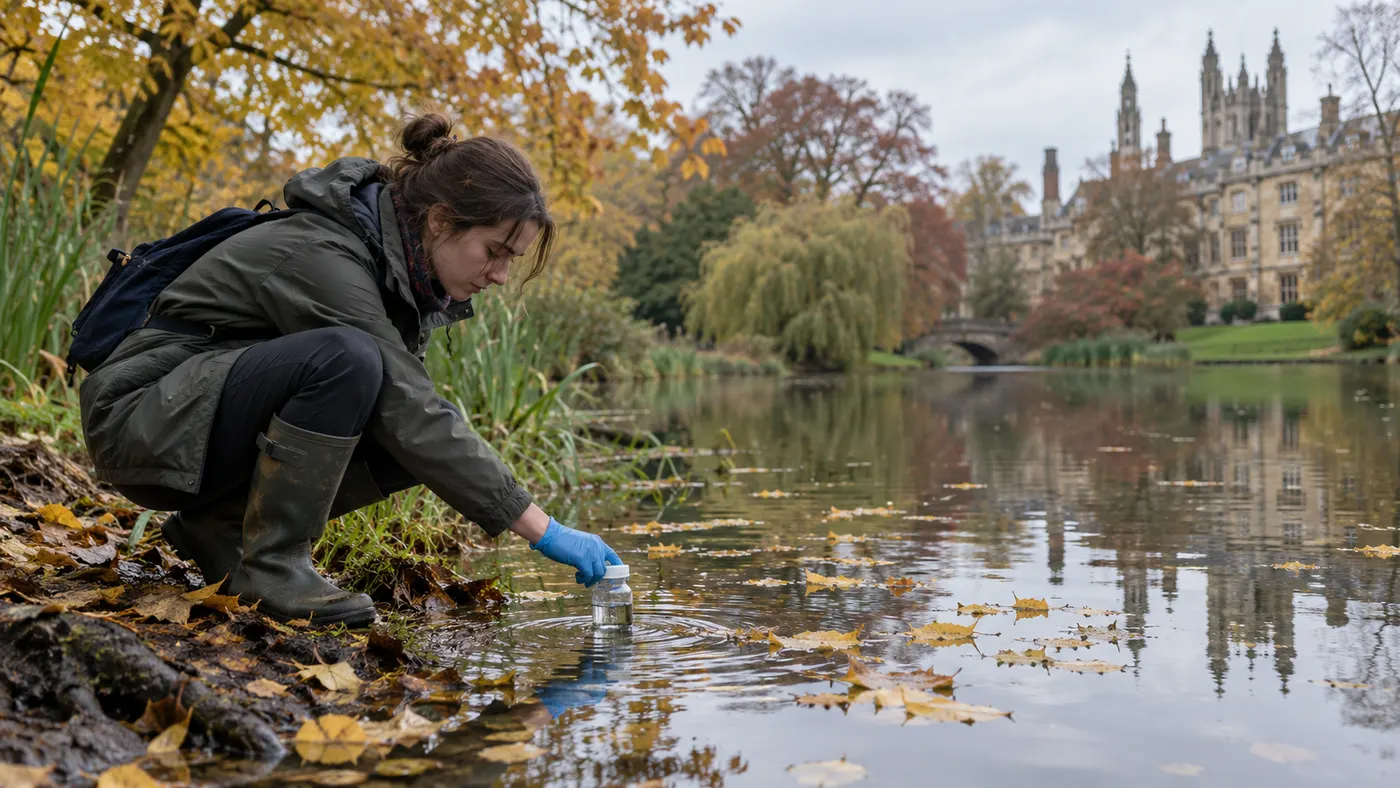
For the test, they chose a previously undescribed ciliate collected from a pond in Oxford University Parks. But when they assembled its genome, they discovered that the organism was reading its genetic instructions according to a very unusual set of rules.
In this ciliate, UAA and UAG no longer meant "stop." But they had not changed together either: UAA represented the amino acid lysine, while UAG represented a completely different amino acid, glutamic acid. The organism had only one remaining stop signal: UGA.
It was the first known example in which UAA and UAG had been reassigned to two different amino acids. As McGowan put it, these two codons had been thought to be coupled; this organism had broken that connection. He also described the discovery as entirely accidental: they had simply happened to choose this organism while testing their sequencing method.
Not an error, but a working system
Faced with such an unusual result, the obvious first question was whether it could simply be a sequencing error. The researchers checked — and found evidence showing that the organism really did use this unusual genetic code.
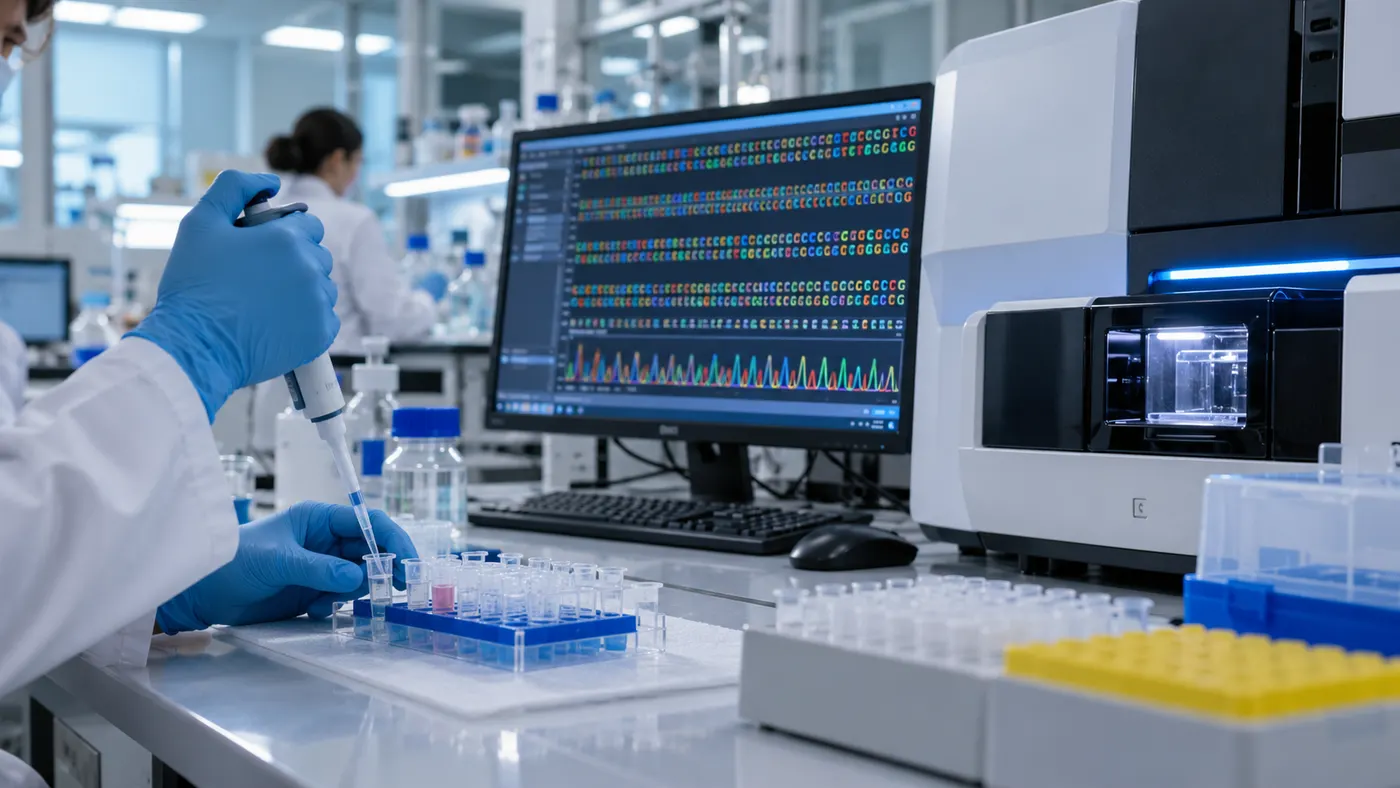
First, its genome contained transfer RNA genes specifically suited to reading the reassigned codons. Transfer RNAs act as translators between the codon read by the ribosome and the correct amino acid, so their presence showed that this was a functional system rather than a sequencing artefact.
Second, the organism appeared to have an interesting backup mechanism. In an organism with only one stop signal, it could be a serious problem if the ribosome accidentally skipped that signal and continued reading. The researchers found far more UGA codons than expected immediately after the ends of genes. In other words, if the first full stop were missed, another one would appear a few words later.
Not just one oddity
At first, the discovery might have looked like a peculiar feature of a single organism. But later research showed that it was part of a much broader pattern.
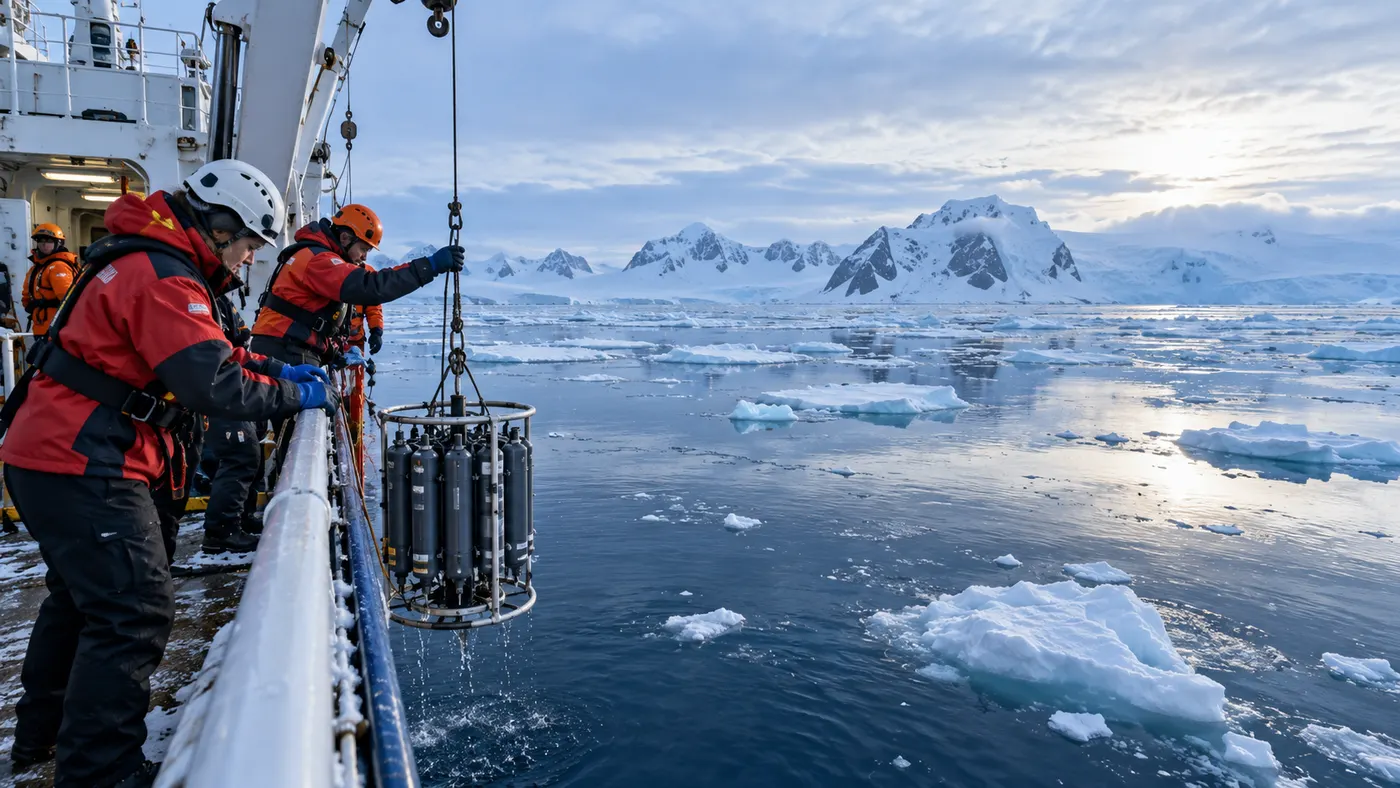
In a second study published in 2024, McGowan and colleagues examined another group of ciliates. Using data from the international TARA Oceans project, they found strong evidence that UAG represented the amino acid leucine in three ciliate genomes recovered from Arctic and Southern Ocean samples — organisms that had never been grown in a laboratory. In existing datasets, they also identified two more ciliate species in which UAG appeared to represent glutamine. Evolutionary comparisons indicated that these changes had arisen independently at least three times. And in all of these ciliates, UAA still retained its original meaning: "stop."
So the independent evolution of these two codons was not a one-off accident. It had happened repeatedly in different branches of the ciliate family tree.
Nature’s own synthetic biology
These discoveries also have a practical side. Scientists working in synthetic biology are trying to rearrange the genetic code in the laboratory so that cells can gain new abilities or produce proteins with properties that do not exist in nature. Ciliates show that nature has already carried out this kind of genetic rewiring repeatedly over millions of years. Understanding which changes an organism can survive — and which ones it cannot — could help guide those efforts.
But perhaps the most striking part of the story is how the discovery happened. This organism was not found in some remote corner of the world. It was living in an ordinary pond in a university park. Nobody was searching for it; it was chosen simply to test a new tool. Because biology has historically focused heavily on organisms that are easy to grow in the laboratory, much of the microscopic world still remains unexplored.
As McGowan has pointed out, scientists are trying to engineer new genetic codes in the laboratory — but nature has already created them. We just have to look for them.
Or, as in this case, sometimes they appear when we are not looking at all.