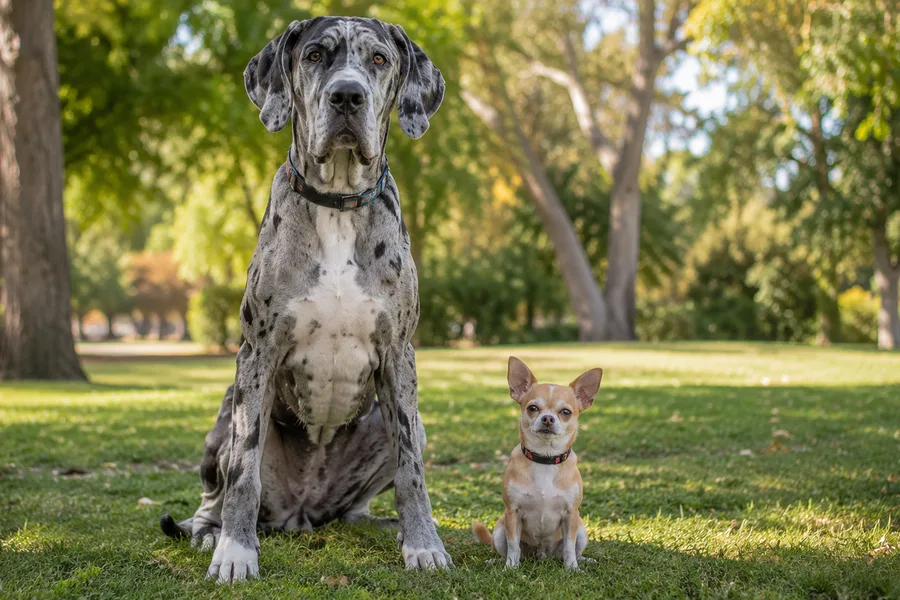
Among animals, bigger usually means longer-lived, but dogs reverse the rule. A new study in Science suggests molecular aging runs faster in large dogs' DNA, especially in regions linked to "jumping genes."
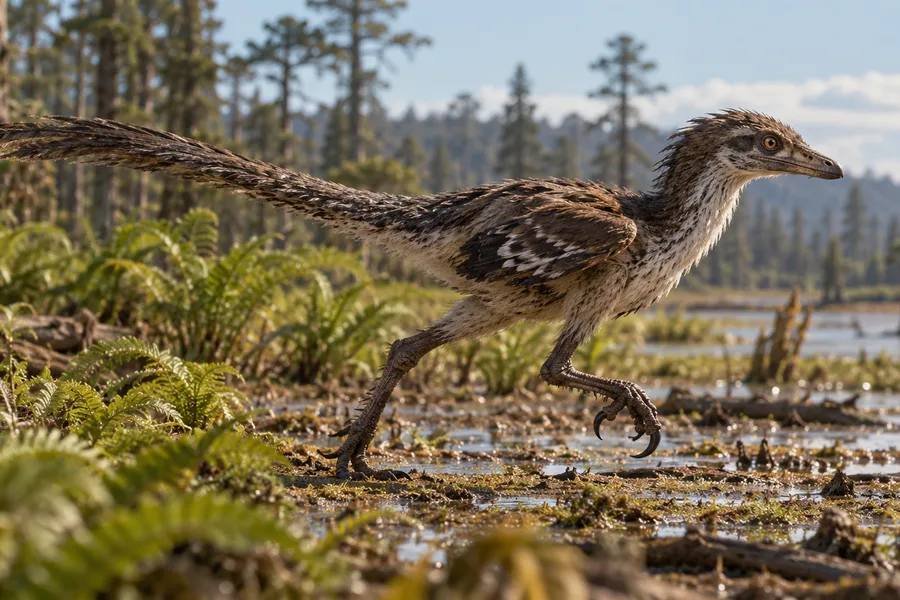
Yuezhuornis, a 150-million-year-old fossil from China, is one of the oldest known birds and the earliest known example of flight loss. With short wings and a sickle-shaped claw, it was a ground-running hunter rather than a flier.
An ordinary Instagram photo, satellite imagery and a midnight boat trip with 10 hours left before a flight gave science a new giant waterlily species: Victoria colombiana. But there may be only 30 to 50 left in the wild.
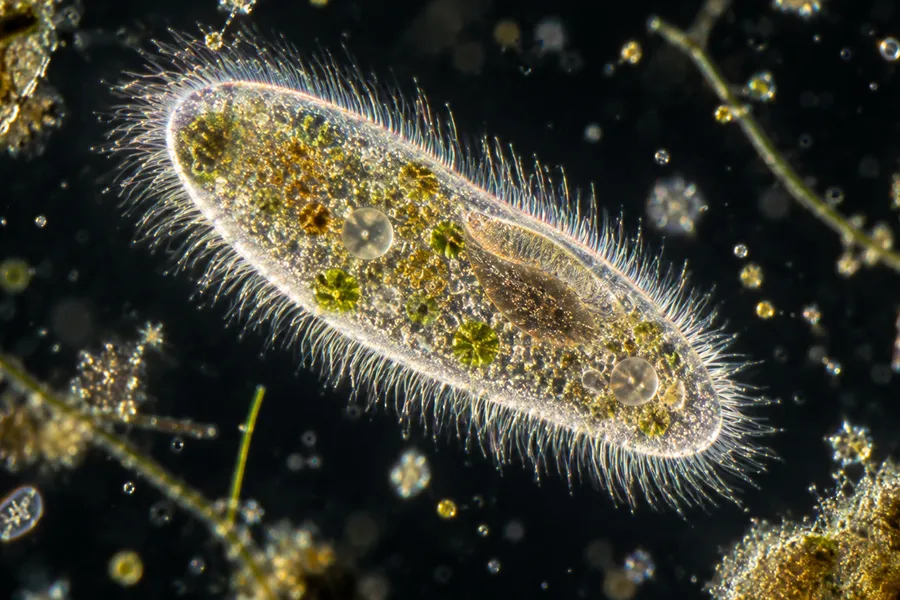
We learn that all life uses the same genetic language. But a single-celled organism from a pond in an Oxford university park turned two stop codons, long thought to change together, into two different amino acids, and nobody was even looking for it.