

11-Foot Metal Object Found in Minnesota Cornfield: Clues Point to a Chinese Rocket
A Minnesota farmer found an 11-foot round metal object in his cornfield during harvest. The launch date, reentry path and size point to LandSpace's Zhuque-2E rocket, though its origin is not yet officially confirmed.
What was found in the field?
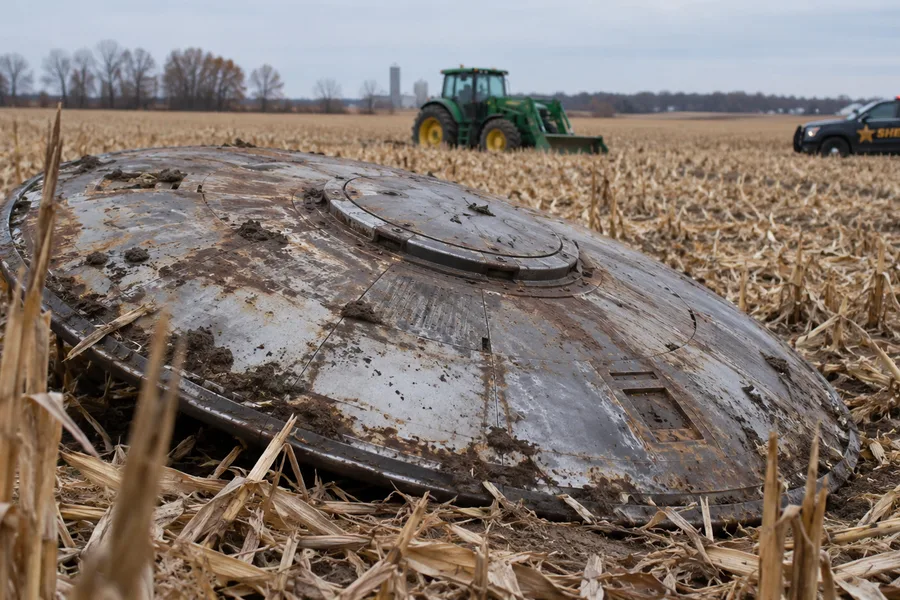
On October 14, a farmer harvesting corn in Scott Township, Stevens County, Minnesota, discovered a large, round metal object in a field. It measured approximately 11 feet (3.35 meters) in diameter and, according to some reports, bore serial numbers.
The Stevens County Sheriff's Office described it as a possible “space object.” Some reports suggest that the condition of the corn plants beneath it indicates the debris may have landed weeks before it was discovered. Authorities removed the object from the field on the evening of October 15 and moved it to a secure location. They have been working with state and federal agencies to identify its owner. No injuries were reported, and officials said the object posed no danger to the public.
Where do the clues lead?
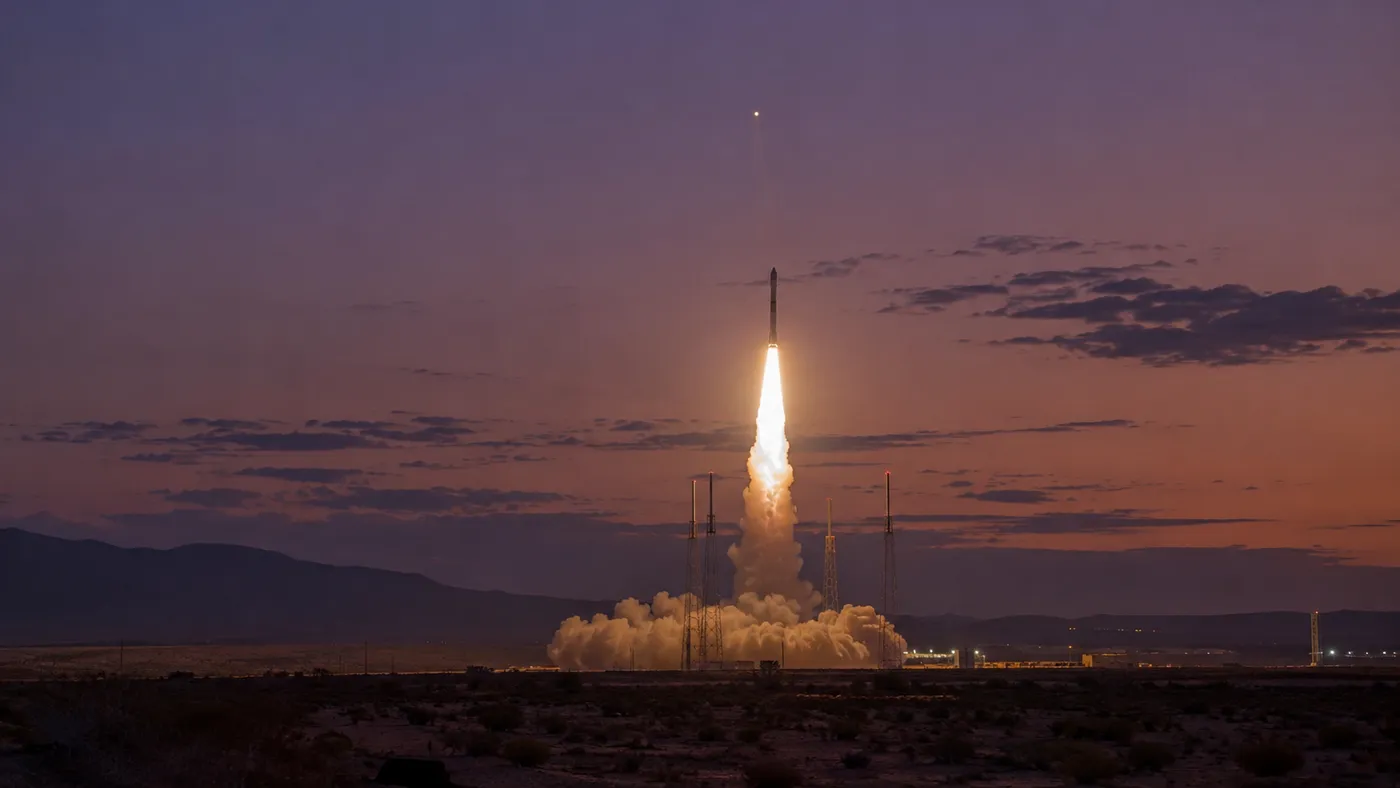
The debris has not been officially identified. But Ars Technica and other outlets covering the space industry say the evidence points toward one likely source: the Zhuque-2E rocket built by Chinese private space company LandSpace.
The trail begins on September 15, when LandSpace launched a Zhuque-2E from Jiuquan in northwestern China. The rocket deployed 10 satellites for Qianfan, China's large communications satellite constellation. Its upper stage then restarted its engine and reentered Earth's atmosphere roughly 75–80 minutes after launch, before completing a full orbit.
Around that time, bright streaks appeared across the skies of the American Midwest. Witnesses recorded glowing fragments traveling north from Kansas toward Minnesota, with the streaks visible as far away as Wisconsin.
One detail makes the connection especially compelling: the Zhuque-2E upper stage is also approximately 11 feet (3.35 meters) in diameter. In other words, the object found in the field matches the upper stage's dimensions. That is a strong clue, but not conclusive proof on its own. LandSpace has not yet commented on the discovery.
Why do rocket parts fall back to Earth?

Rockets typically consist of multiple stages. The lower stages separate a few minutes after launch once their work is done, while the upper stage carries the payload into orbit. After deploying the satellites, the upper stage is no longer needed and becomes space debris.
To limit the buildup of orbital debris, many rocket missions deliberately bring their upper stages back into the atmosphere once the mission is complete. Restarting an engine can lower the stage's orbit and initiate its descent. A safe reentry also requires planners to consider where surviving fragments might land. Ideally, the reentry takes place over remote stretches of ocean, far from populated areas. Most material burns up during atmospheric reentry, but certain components — including engine parts, propellant tanks, and sturdy metal rings — can survive the heat and reach the ground.
After deploying its satellites, the Zhuque-2E upper stage likewise fired its engine to leave orbit and return to Earth. This time, however, its reentry path crossed the populated American Midwest rather than a remote ocean area. It is not clear whether that path was intentional or the result of a faulty maneuver; Ars Technica also raised the possibility of a maneuver gone wrong. Either way, the incident is likely to prompt further questions about how China's private space companies handle rocket debris.
Who is responsible?

International space law has an answer. Under the 1972 Convention on International Liability for Damage Caused by Space Objects, the state or states responsible for launching a space object are liable for damage it causes on Earth's surface. Crucially, that liability is not dependent on proving fault: there is no need to establish that the launching state was negligent.
Fortunately, no injuries or significant damage were reported in Minnesota. But the principle matters. Even when a rocket belongs to a private company, international liability rests with the launching state or states as defined by the convention.
This is not the first time fragments returning from orbit have reached Earth's surface. Previous cases have involved debris landing in remote areas or the ocean. As the number of launches grows, so does the number of spent rocket stages that must be disposed of safely. Massive new communications constellations, made up of thousands of satellites, mean many launches — and therefore many upper stages. That makes responsible, controlled reentry practices increasingly important for protecting populated areas.
What should you do if you find something that fell from the sky?
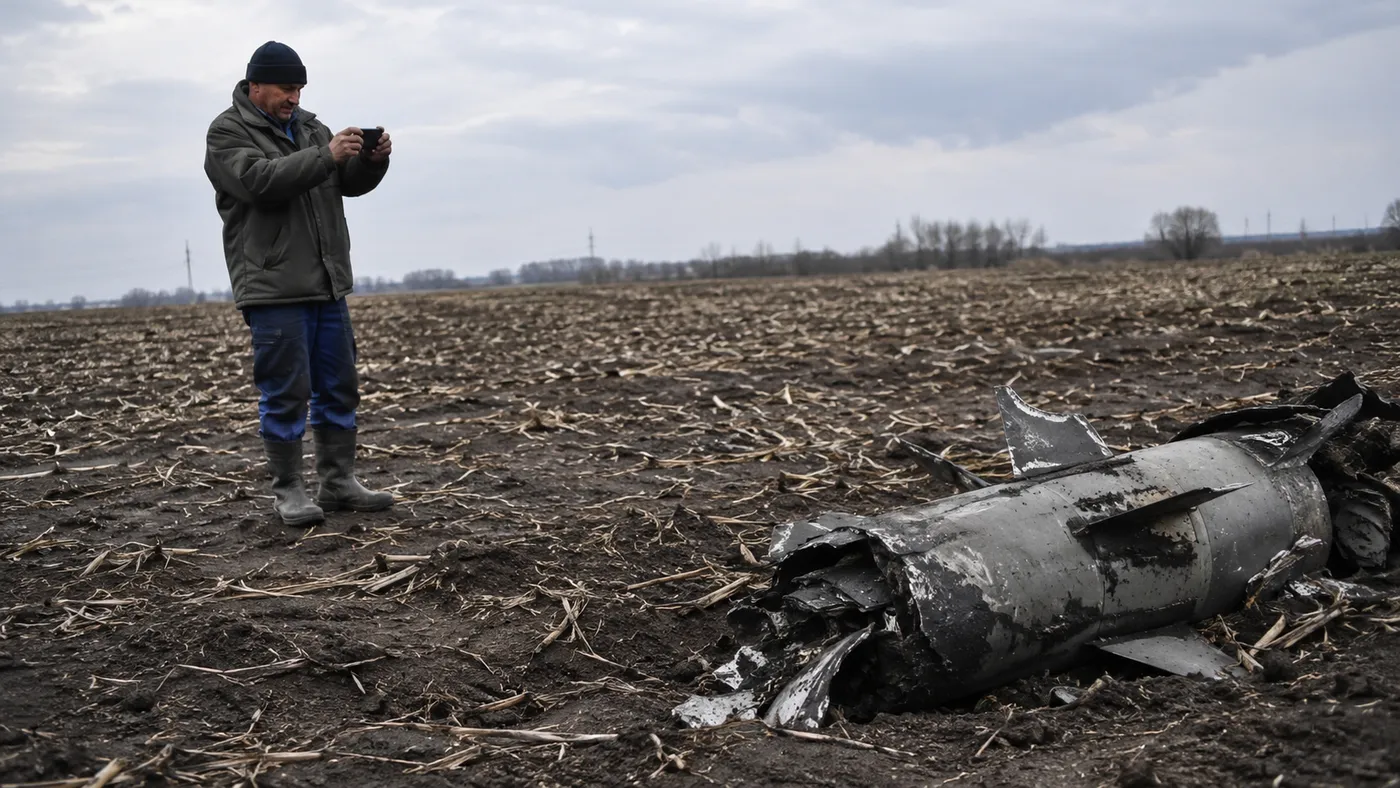
The chances of encountering space debris are extremely low, but it is useful to know what to do:
- Do not touch it. Rocket debris may have sharp edges or contain hazardous propellant residues.
- Take a photograph from a safe distance and note the location.
- Contact the authorities. In Türkiye, calling the 112 emergency number is a sensible first step. The Minnesota farmer likewise contacted the local sheriff's office.
The metal object found in a Minnesota cornfield is a reminder that space is not as far removed from everyday life as it seems. Not everything we send into space comes back to Earth, and the journey home does not always end as planned. Sometimes, where that journey ends only becomes clear during a farmer's harvest.
TagsSpace