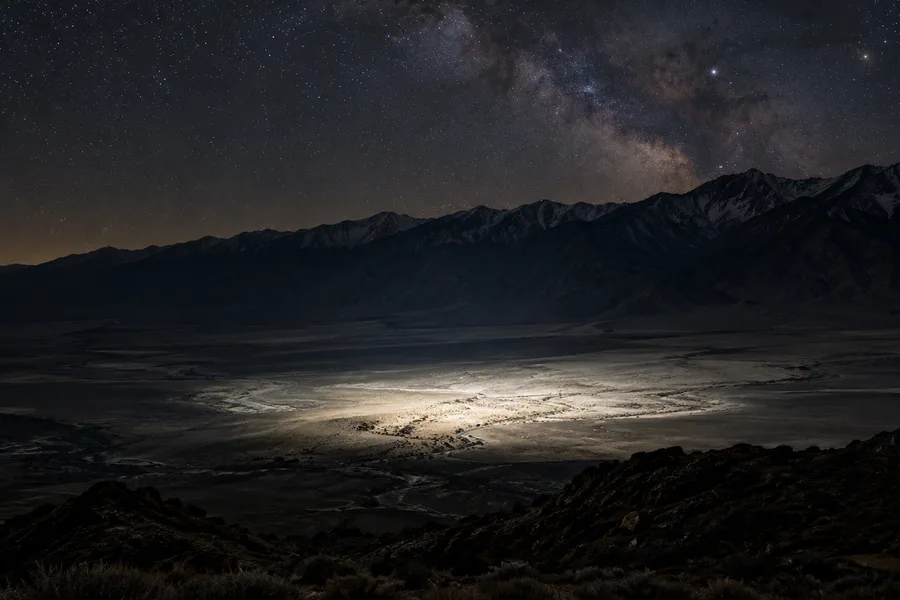
Reflect Orbital wants to sell sunlight at night by beaming it down from giant mirrors in orbit. Its first test satellite has been approved and a ground rehearsal has taken place; astronomers see a serious threat to the night sky.
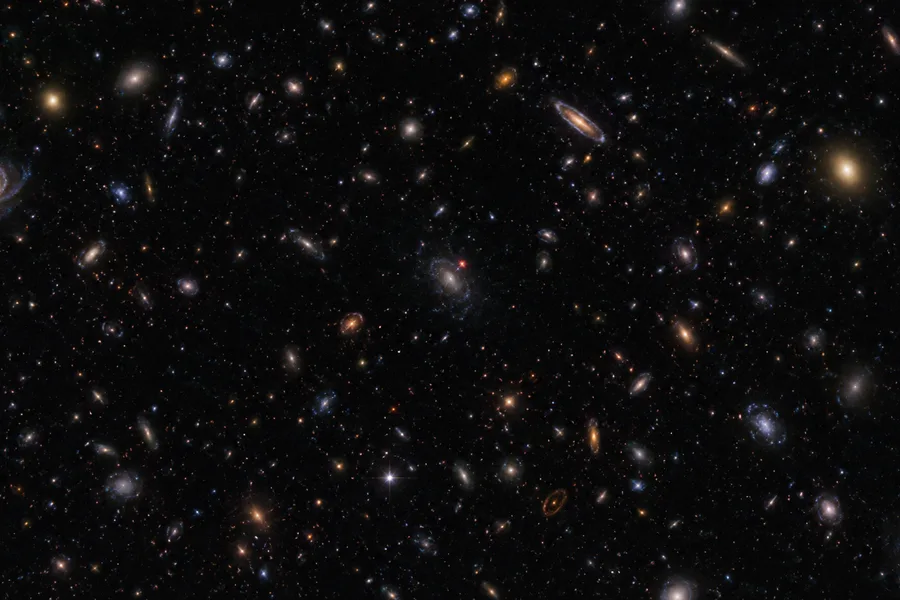
James Webb caught the light of what may be a stellar explosion from 1.2 billion years after the Big Bang at a very early stage. Because the universe has expanded, it reaches us six times more slowly; why that happens and why the discovery matters.
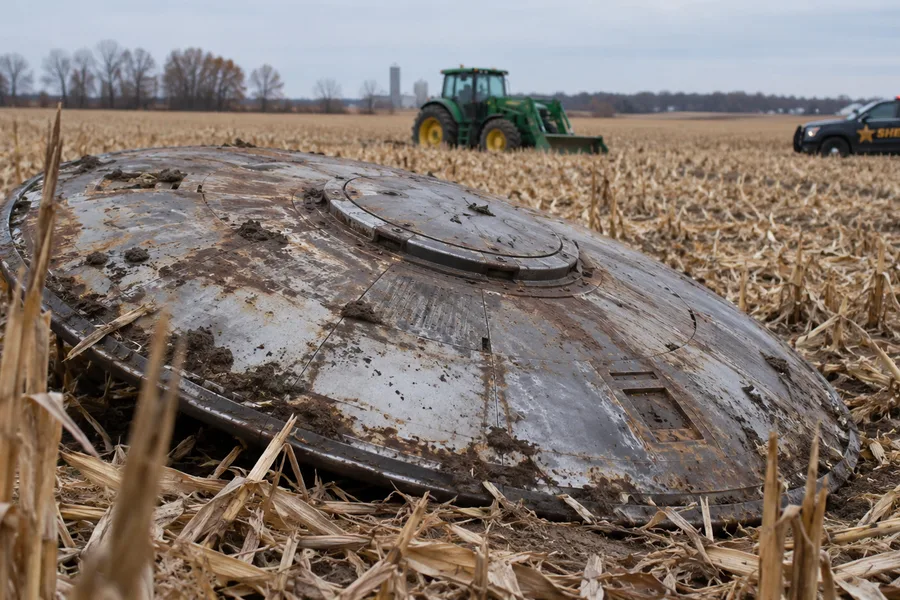
A Minnesota farmer found an 11-foot round metal object in his cornfield during harvest. The launch date, reentry path and size point to LandSpace's Zhuque-2E rocket, though its origin is not yet officially confirmed.
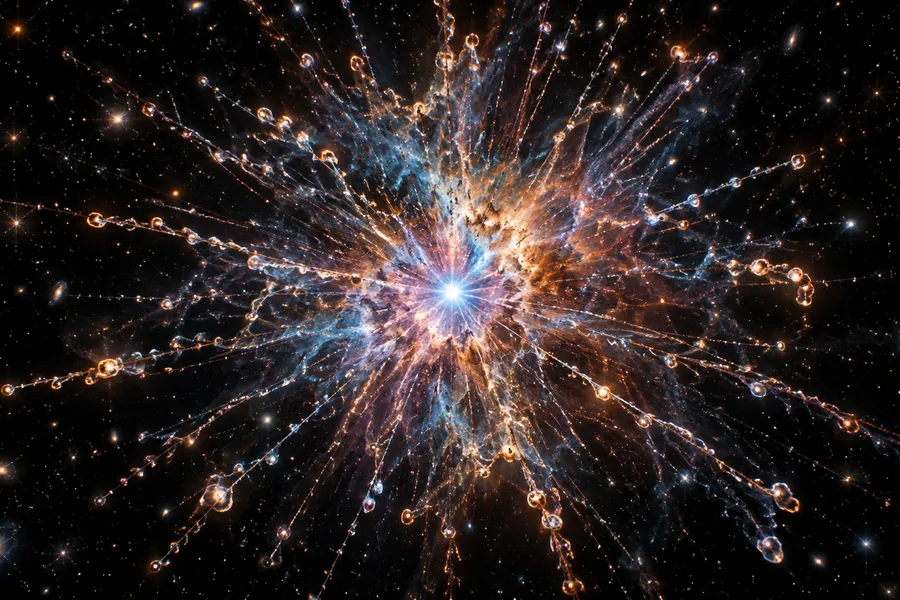
The supernova recorded in 1181 as a "guest star" in China and Japan, and in a poem written for Saladin in Cairo, only had its remnant identified in 2013, thanks to an amateur astronomer. Pa 30 looks like no other known remnant: a frozen firework.
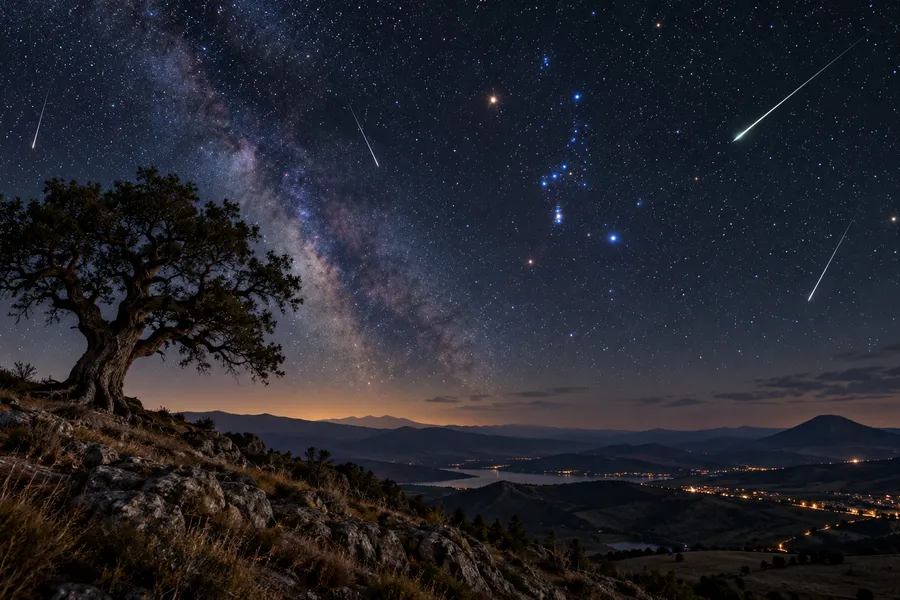
The Orionids peak on the night of October 21–22, but a bright Moon makes timing matter. When, where and how to watch, plus the Draconids on the evening of October 8, step by step.
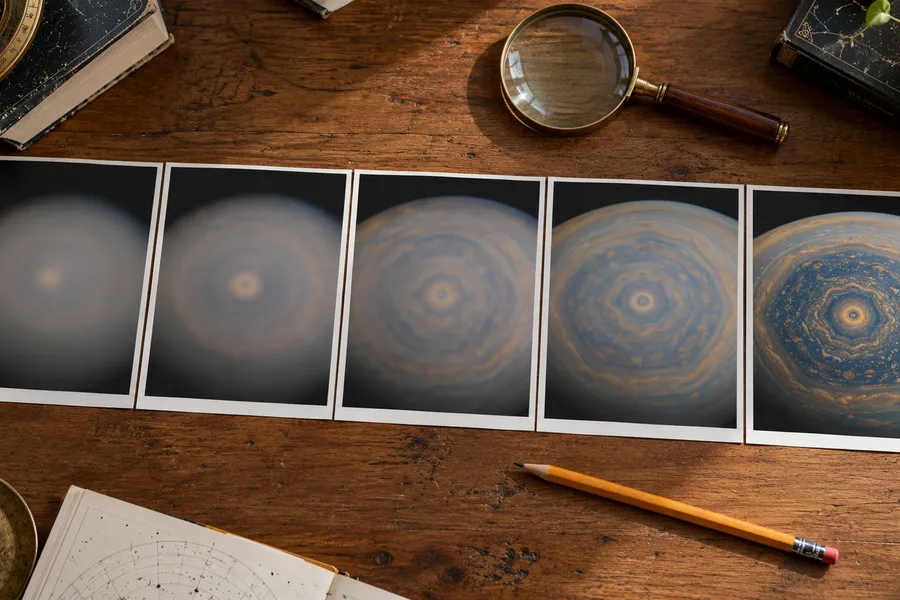
Scientists spent more than 35 years searching for a southern counterpart to Saturn's giant north-polar hexagon. They finally found one, but it is not a hexagon: it is a ten-sided wave that is becoming clearer before our eyes.
The 28th CGPM in Versailles adopted all three time resolutions: a proposal for a new definition of the second is targeted for 2030, continuous UTC begins on May 20, 2027, and work on a common lunar time scale is now official. The first nuclear clocks were also announced the same week.